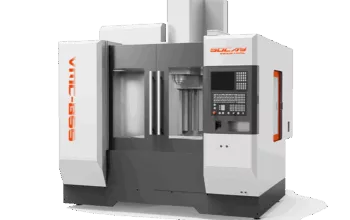
 Vertical Machining Center
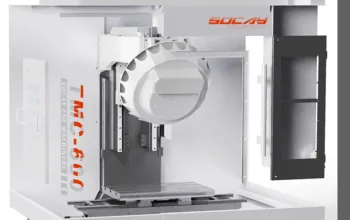
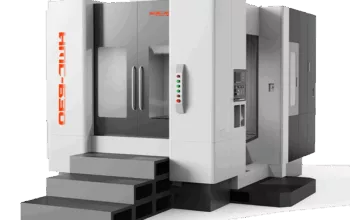 Horizontal Machining Center
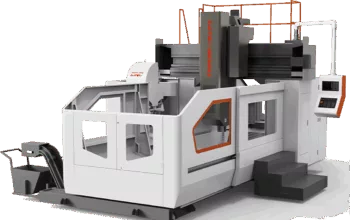 Gantry Machining Center
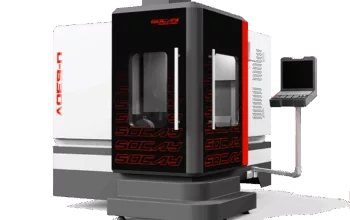 5-Axis Machining Center
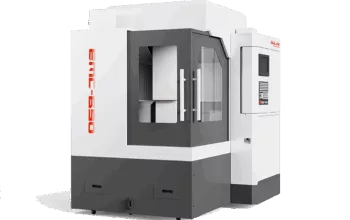 Engraving Milling Machine
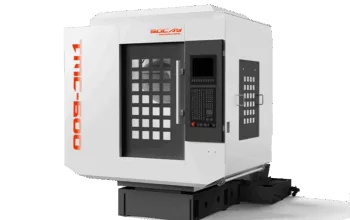 Tapping Center
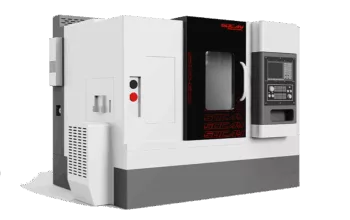 Turn-Mill Machines
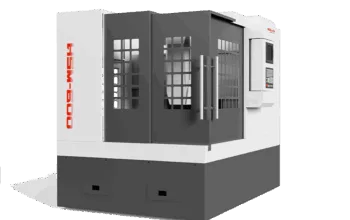 High-Speed Machining Center
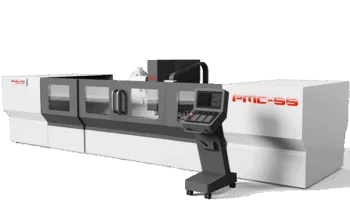 Profile Machining Center
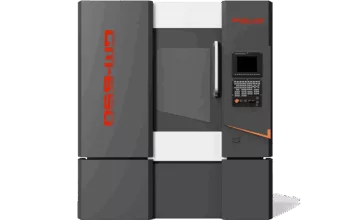 Graphite Machining Center

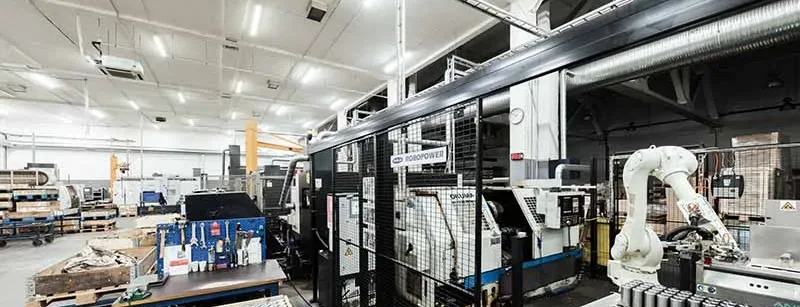
Types of CNC machines; Simple And Easy-to-understand Explanation
Depending on the ‘machining method’, common CNC machine tools can be divided into the following major categories:
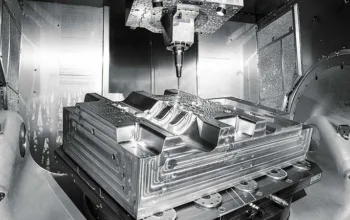
CNC Miling Machine
Features: The workpiece remains fixed (or moves only on a flat plane), while the high-speed rotating tool cuts the workpiece.
Simply put: Just like a sculptor holding a high-speed rotating carving knife to carve shapes on wood or metal blocks.
Suitable for: Making block-shaped, plate-shaped, complex curved surface, or slotted/holed parts (such as mobile phone metal cases and molds).
According to socay industry’s industry experience, this is an essential machine—even the primary machine—for all machining shops. One out of every two CNC machine tools produced in the world is a CNC milling machine. CNC milling machines are developing rapidly. Currently, advanced CNC milling machines can already achieve 5-axis or even 6-axis simultaneous machining, and carry multiple tools with automatic tool changing capabilities during a single machining process. This type of machine is also called a ‘CNC machining center’.
CNC Turning Machine
Features: The tool remains fixed (or moves in a straight line), while the workpiece itself rotates at high speed.
Simply put: Just like making ceramic pottery, where the clay rotates on a turntable and a hand holds a scraper against it to shape it.
Suitable for: Specifically for making cylindrical, tubular, and threaded parts (such as axles, screws, and pipe joints).
CNC turning machines can achieve higher precision and efficiency than traditional lathes. One out of every three CNC machines produced in the world is a CNC Turning Machine.
Turn-Mill / Mill-Turn Machine
Features: Combining the turning machine and milling machine into one, the workpiece can rotate (turning) and the tool can also rotate (milling), thereby obtaining parts with complex appearances.
Simply put: Not only can the worktable drive the workpiece to rotate at high speed, but the tool also rotates at high speed.
Suitable for: High-precision parts with complex structures that have both cylindrical shapes and milled slots/drilled holes.
Turn-Mill machine: Adds a rotary axis with milling tools onto a basic CNC lathe.
Mill-Turn machine: Is a multi-axis, highly complex machine that adds a high-speed rotary axis onto a CNC milling machine, blurring the line between horizontal milling machines and turning centers.
CNC Grinding Machine
Features: Uses high-precision grinding wheels to polish and micro-grind parts instead of metal cutting tools.
Simply put: Equivalent to high-grade sandpaper/polishing machines sanding the surface of parts to achieve a finer finish.
Suitable for: Pursuing extremely high precision and mirror-like surface finish (such as bearings and high-precision gears).
CNC grinding machines exist specifically for ultimate smooth surfaces; certain special aerospace parts strictly require high-precision smooth surfaces to fulfill specialized purposes.
CNC Cutting Machine
CNC router machine
Principle: Similar to a small or light milling machine, with extremely fast speed.
Application: Cutting wood, plastic, acrylic, or soft metals (making furniture, billboards, wood carvings).
The CNC router mahcine is structurally similar to a milling machine. Due to differences in parameters and strength of core structural components, CNC routers are mostly used to process low-strength materials, mainly focusing on rough machining, and are primarily used for cutting.
CNC Laser / Plasma / Waterjet Cutters
Principle: Does not use physical cutting tools, but uses high-energy light beams (laser), high-temperature arcs (plasma), or high-pressure water jets (waterjet) to cut materials.
Application: Quickly cutting large steel plates and metal sheets into various flat shapes.
Laser/plasma/waterjet cutters are purely specialized machines with only a cutting function.
CNC EDM Machine
Features: Utilizes tiny electrical sparks generated by continuous discharge to melt and etch metal.
Simply put: Using “electric arcs” to burn out patterns bit by bit.
Suitable for: Processing ultra-hard metals (such as quenched steel) or tiny deep holes and dead-corner molds that are extremely difficult to engrave.
CNC Electrical Discharge Machining (EDM) machines are often used for processing high-precision molds. In Guangdong, China, factories processing high-end molds strictly require CNC EDM machines.
Simple Summary
Use a CNC lathe for processing cylindrical parts / shaft parts;
Use a CNC milling machine for processing polyhedral parts / curved surface parts / cavity parts;
Use a Turn-Mill / Mill-Turn Machine for complex parts with both round and square features;
Use a CNC grinding machine when pursuing ultra-high surface finish;
Use a CNC cutting machine or router if only cutting large plates;
Use a CNC EDM machine for processing special molds.