
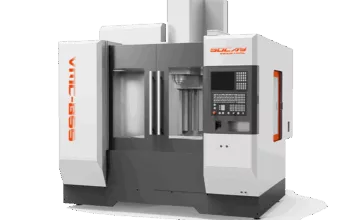
 Vertical Machining Center
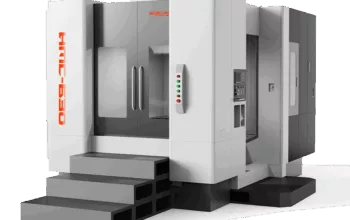 Horizontal Machining Center
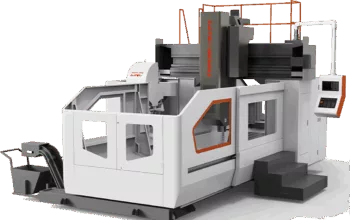 Gantry Machining Center
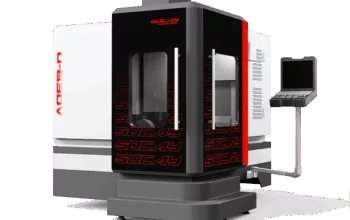 5-Axis Machining Center
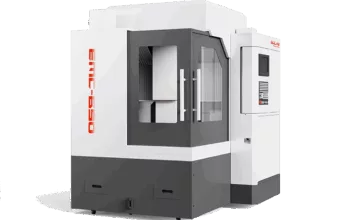 Engraving Milling Machine
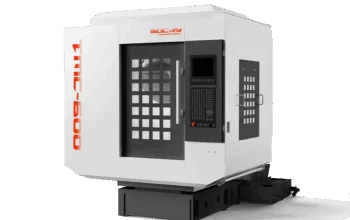 Tapping Center
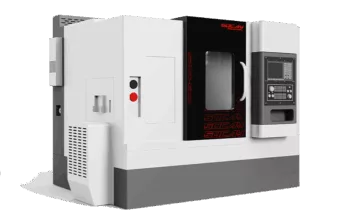 Turn-Mill Machines
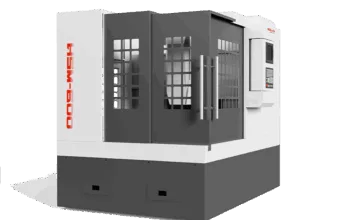 High-Speed Machining Center
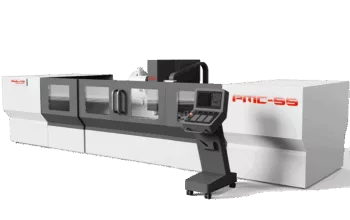 Profile Machining Center
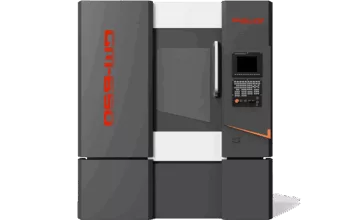 Graphite Machining Center

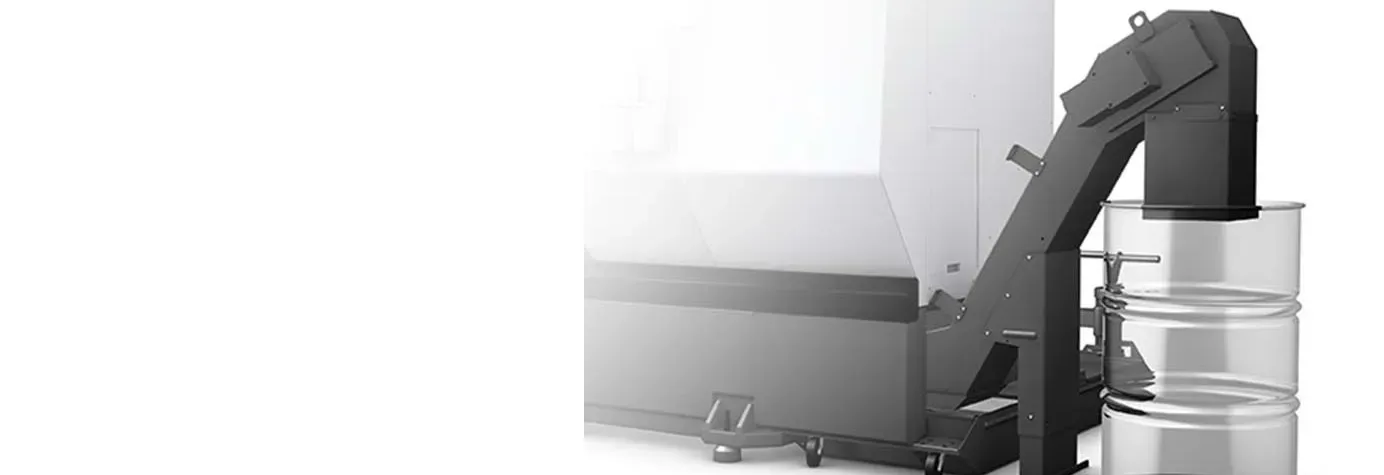
Chip Conveyor
The chip conveyor is an auxiliary equipment used to automatically collect and transport metal waste chips, which can collect chips and aluminum chips generated by machining.
During the machining process, if chips cannot be discharged in time, it is very easy to cause irreversible damage to the screw and guide rail; the chip conveyor we provide is made of thickened steel plates, featuring a special motor, high load-bearing capacity, smooth operation, and good sealing, and it will not get stuck. It is equipped with overload protection
Why is a chip conveyor important for CNC machines?
Chip conveyor offers several important benefits:
- Prevents chip accumulation around the cutting area
- Improves machining accuracy
- Extends tool life
- Protects guideways and ball screws
- Reduces machine downtime
- Improves operator safety
- Supports unattended and automated production
- Enhances coolant recovery efficiency
Without proper chip removal, chips can interfere with machining operations and even damage machine components over time.
Types of tool setters we provide
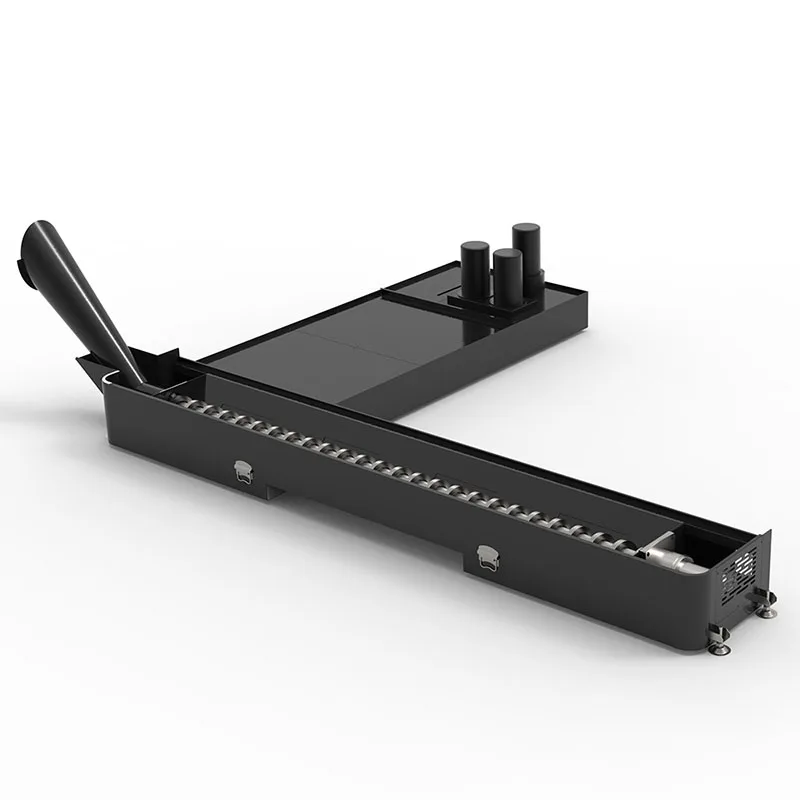
Screw type chip conveyor
The screw type chip conveyor needs to be installed before leaving the factory. It is suitable for medium and small intensity machining, and the price is cost-effective.
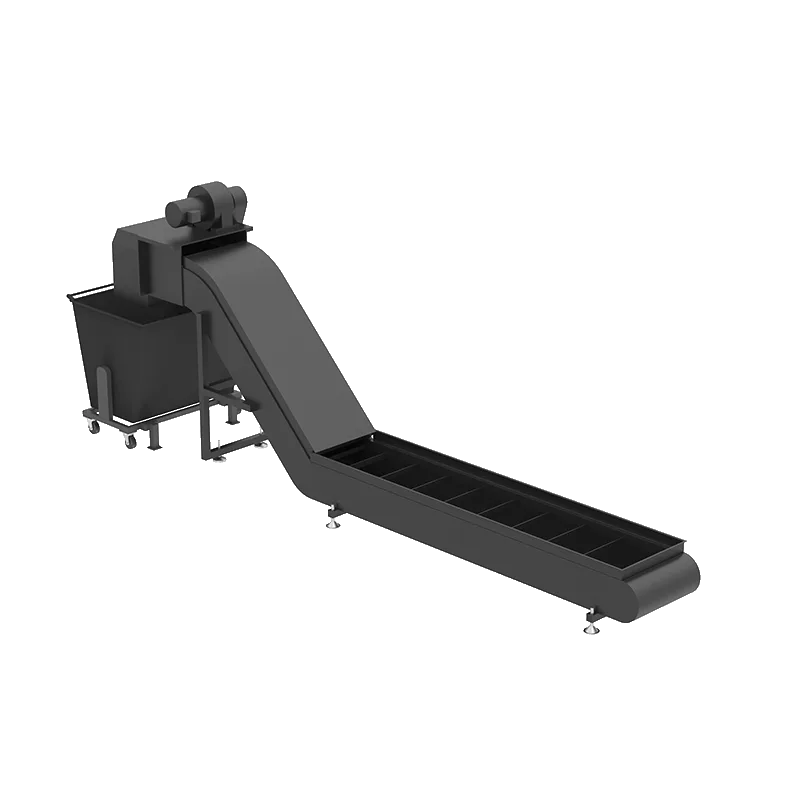
Chain type chip conveyor
Chain type chip conveyor is used for medium and large intensity machining, and an oil-water separator can be additionally installed.
In addition to this, we also offer Scraper Chip Conveyor, Magnetic Chip Conveyor, Drum Filter Chip Conveyor and Combination Chip Conveyor Systems. Each design is suitable for different chip shapes, materials, and machining conditions.
What are the main components of a chip conveyor?
Typical components include:
Conveyor frame
Conveyor chain or belt
Drive motor
Gear reducer
Sprockets
Bearings
Coolant drainage section
Chip discharge chute
Electrical control systemOverload protection device
FAQ of chip conveyor
A hinged belt chip conveyor is generally the best choice for steel machining because it efficiently handles long, curled, and heavy steel chips while providing reliable continuous operation.
Scraper chip conveyors are commonly recommended for cast iron because cast iron usually produces short, broken chips that are easily transported by scraper systems.
No.Magnetic conveyors only transport ferrous materials such as:
Carbon steel
Alloy steel
Cast iron
They cannot transport aluminum, brass, copper, titanium, or stainless steel chips because these materials are non-magnetic.
Yes. Many CNC machining centers process different materials. Hinged belt conveyors are often selected because they can handle mixed chip types better than magnetic systems.
Yes. Most modern chip conveyors include coolant drainage sections that allow coolant to return to the coolant tank while transporting chips to a collection bin. Advanced systems can also integrate coolant filtration to improve coolant cleanliness and reduce waste.
Yes. Removing chips quickly reduces contamination inside the coolant tank, which:
Extends coolant service life
Improves coolant quality
Reduces bacterial growthLowers maintenance costs.
Chip conveyors are widely used on:
Vertical Machining Centers (VMC)
Horizontal Machining Centers (HMC)
Gantry Machining Centers
CNC Lathes
Turning Centers
Double Column Machining Centers
Drilling & Tapping CentersFive-Axis Machining Centers
Yes. Industrial chip conveyors are designed for continuous operation in automated production environments. Many machines also support automatic interval operation to optimize energy consumption
Selection depends on several factors:
Workpiece material
Chip shape
Chip volume
Coolant flow
Machine layout
Available installation space
Required discharge heightProduction cycle.
Common causes include:
Long stringy chips wrapping around shafts
Excessive chip accumulation
Foreign objects entering the conveyor
Worn conveyor chain
Improper chain tension
Overloaded conveyor
Regular cleaning and preventive maintenance greatly reduce the risk of jamming.
