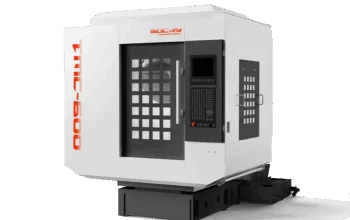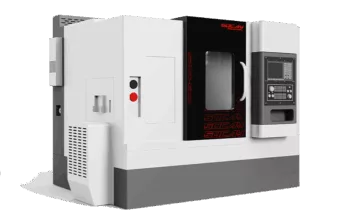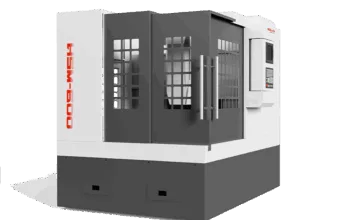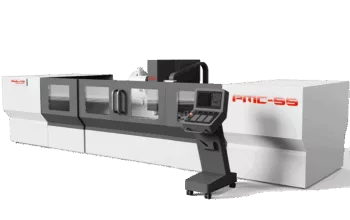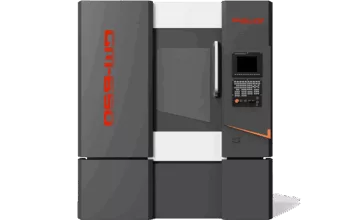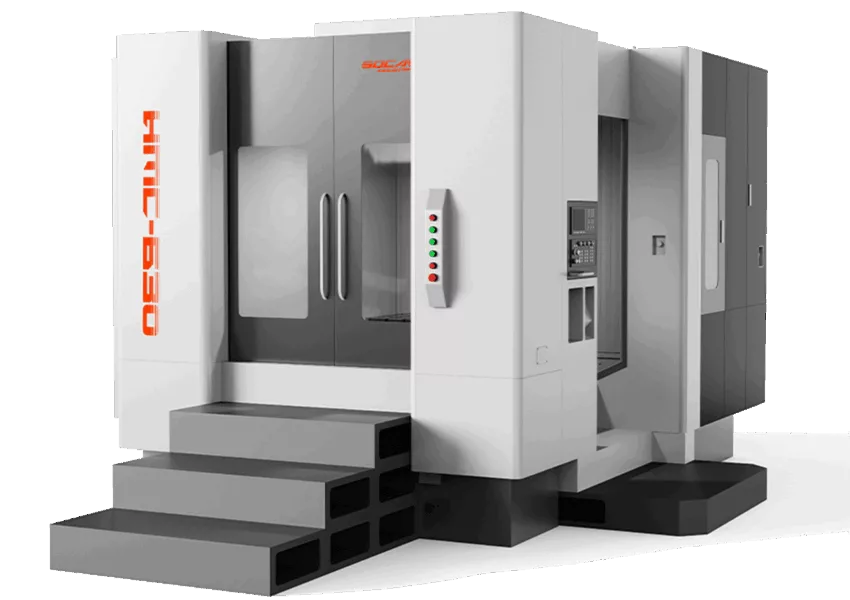
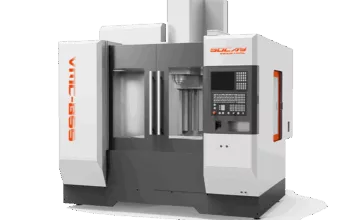
Horizontal Machining Center

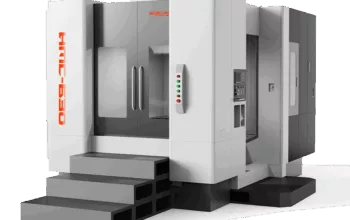
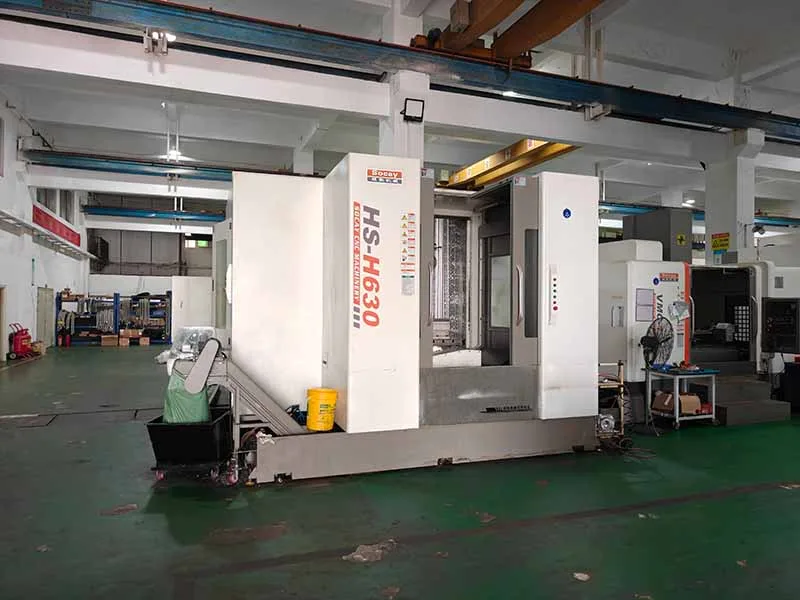
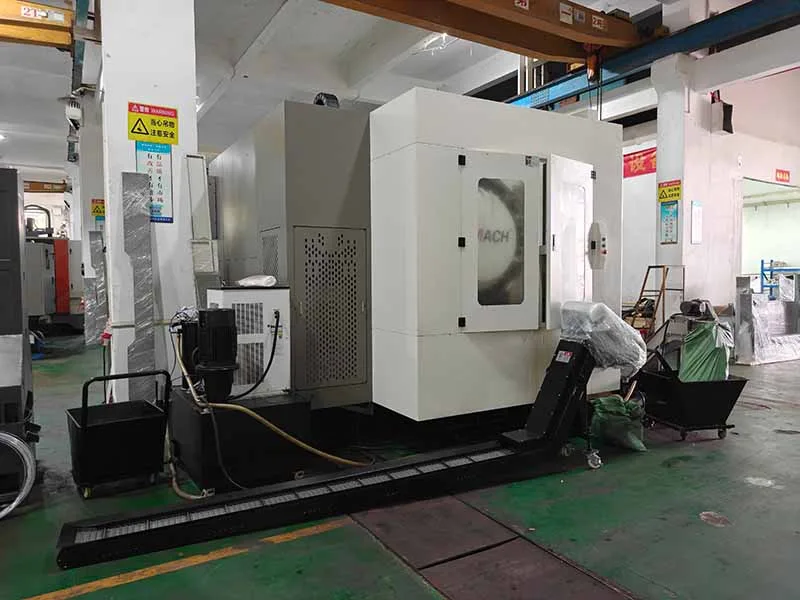
Our horizontal machining centers possess high-rigidity heavy-cutting capabilities, utilizing a large box-type high-rigidity structure and wide-span guideways. One-time clamping allows for multi-face automatic machining. The independently designed integral casting base is the foundation of it all.

Horizontal Machining Center

Our Horizontal Machines

Horizontal

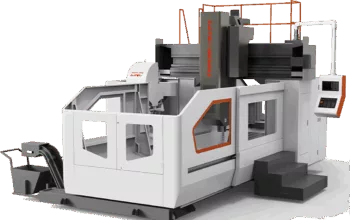
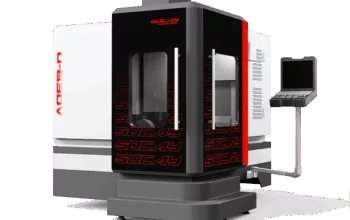
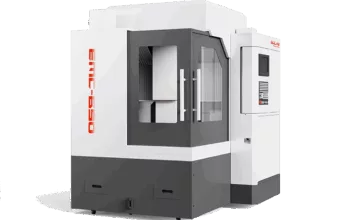
Our horizontal machines have three types of beds, which are the regular T-structure, inverted T-structure, and cross-sliding table structure. Corresponding to different combinations of linear guides and box ways, there are a total of 24 subdivision models to choose from.

Contact Us

Machine Parameters

  • Regular T-structure
Standard configurationUnitHMC500HMC630HMC800
Worktable sizemm500x500630x630800x800
Segmentation angle°1/0.0011/0.0011/0.001
X axis travelmm80010001200
Y axis travelmm80010001000
Z axis travelmm8008001000
Distance from spindle nose to center of worktablemm125-925125-925125-1125
Distance from spindle center to worktable surfacemm50-85050-105050-1050
Worktable Max loadkg150030004000
X axis rapid travel speedM/min302016
Y axis rapid travel speedM/min302016
Z axis rapid travel speedM/min302016
Cutting ratemm/min1-100001-100001-8000
Spindle typeBT50BT50BT50
Spindle speed(Standard configuration)rpm/min600060006000
Positioningmm±0.008±0.008±0.008
Repositioning accuracymm±0.003/300±0.003/300±0.003/300
Spindle powerkw18.52222
Machine Sizemm2300x2100x24003500x2600x32704250x3300x3200
Machine Weightkg80001000013500
View More
View Less

Our horizontal machining center structure
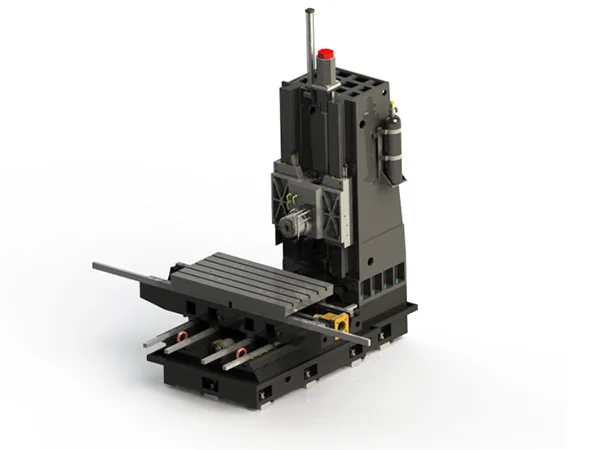
Regular T-structure

The worktable moves only along the x-axis, resulting in high machining accuracy and rigidity, making it suitable for large-scale machining.
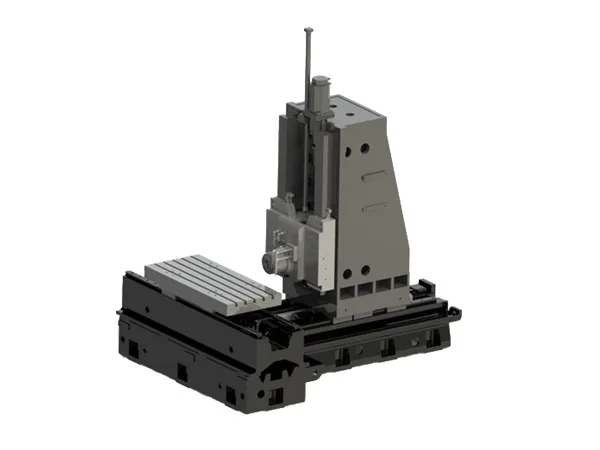
Inverted T-structure

Its structure is more compact than standard T-shaped structure, making it suitable for machining medium-sized workpieces.
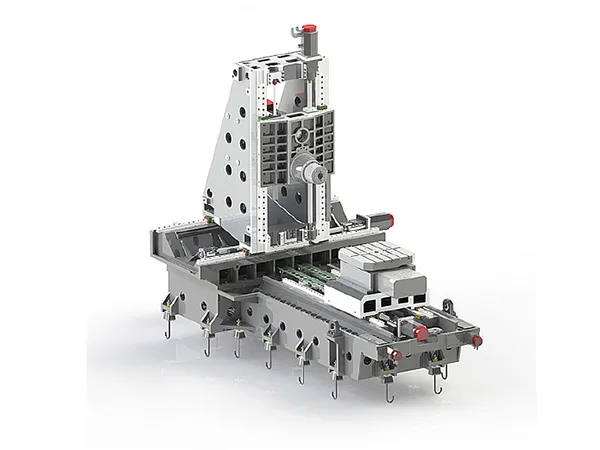
Cross-sliding table structure

This type of machine has a fast processing speed and high motion efficiency, and is often used for small and medium-sized processing.
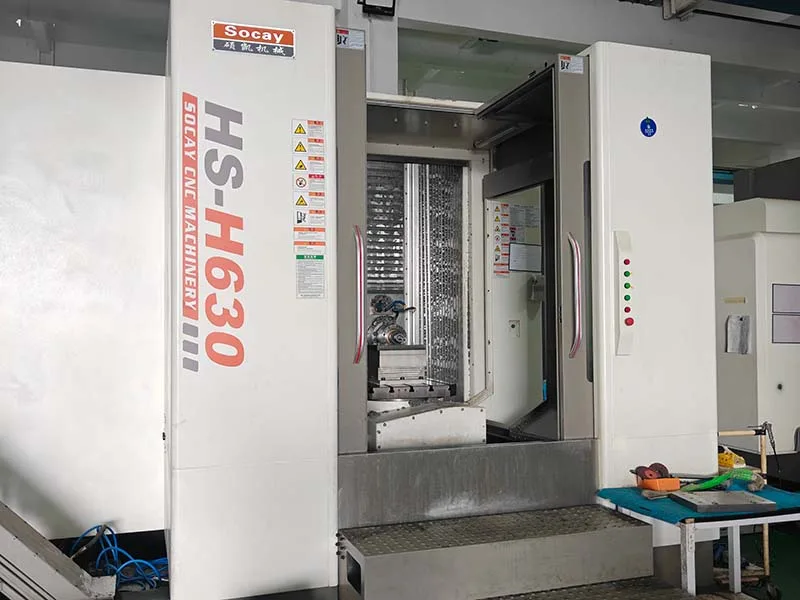
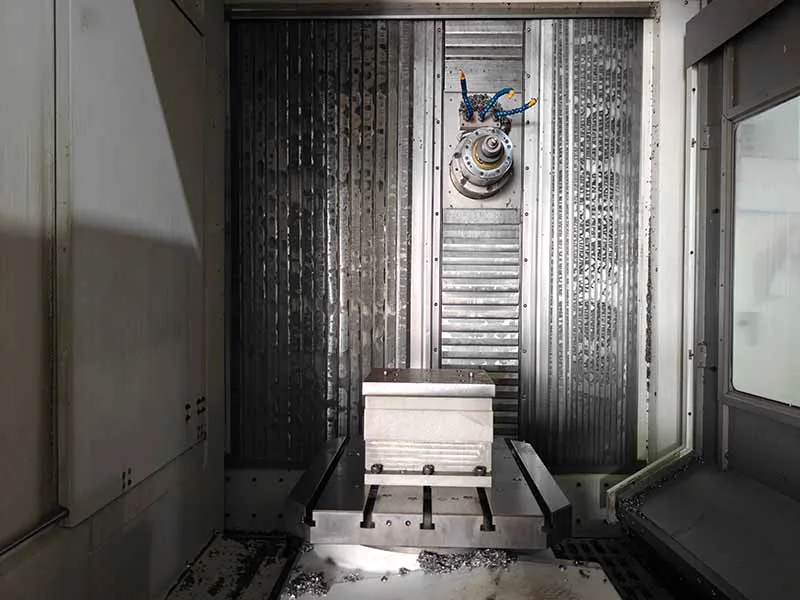
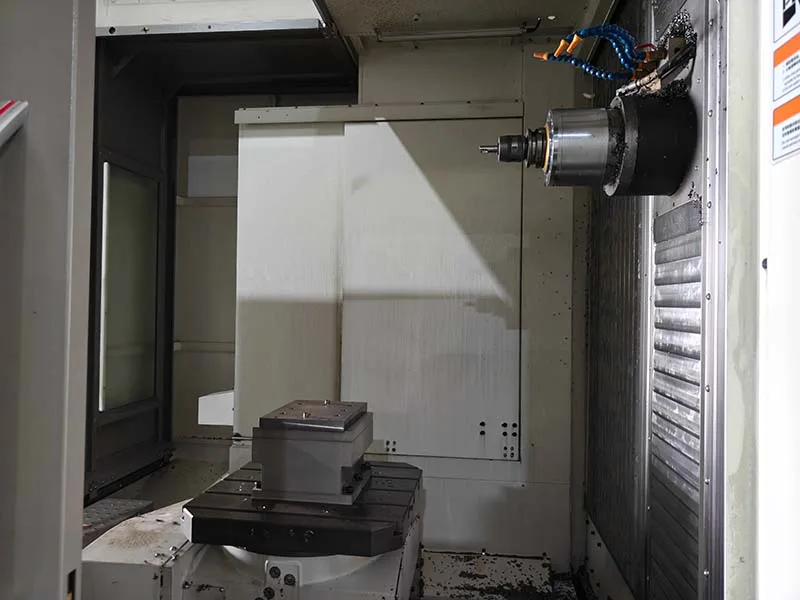
Horizontal machining center worktable

Why Choose Horizontal Machining Center

Easy to remove chips

The spindle is used for machining on the side, and the chips fall off naturally, eliminating the need for manual cleaning.

Deep cavities Machining

With a side-mounted rotary table, the spindle tool can more easily reach deeper, enabling deep cavity machining.

Multi-face Machining

The worktable can rotate, and the spindle can stably process all four rotating surfaces.

Powerful configuration options

Our horizontal machining centers can be equipped with various enhancement kits to increase performance and efficiency.
Machining options: 4-axis rotary table, 5-axis rotary table, Tool probe, Workpiece probe, Chip conveyor, Oil mist separator.

Spindle options: CTS coolant system, High torque spindle, High-speed spindle, Spindle oil cooler.

Automation: Automatic pallet changer (APC), Robot loading system, Flexible manufacturing system (FMS).
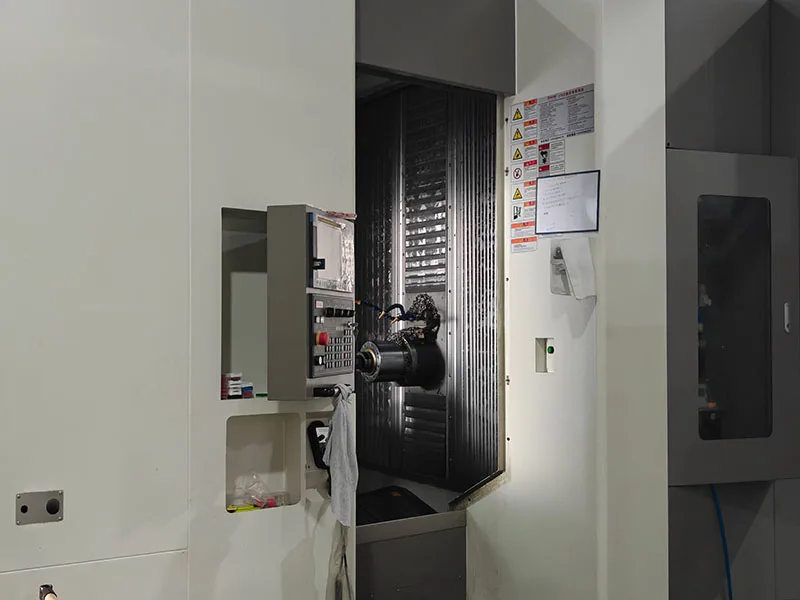
Horizontal machining center worktable2

Applications of our horizontal machining centers

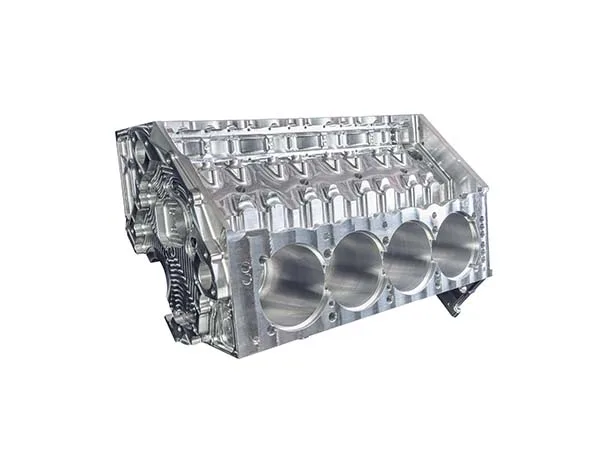
Engine blocks

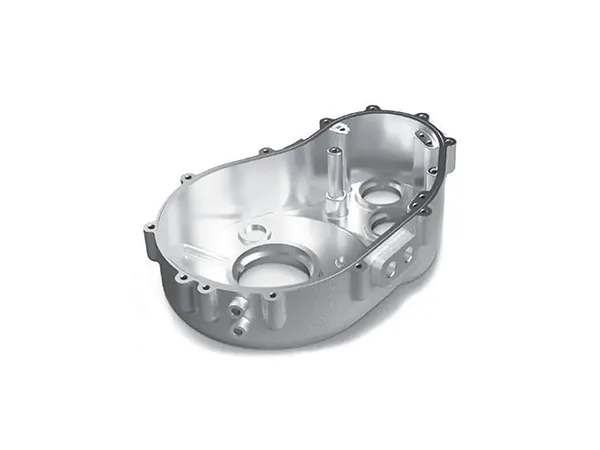
Gearbox housings

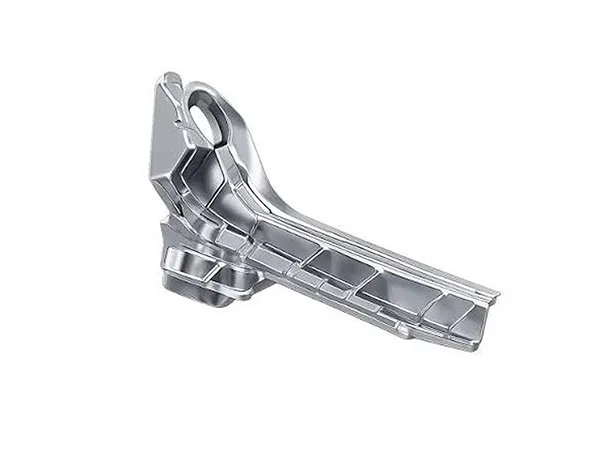
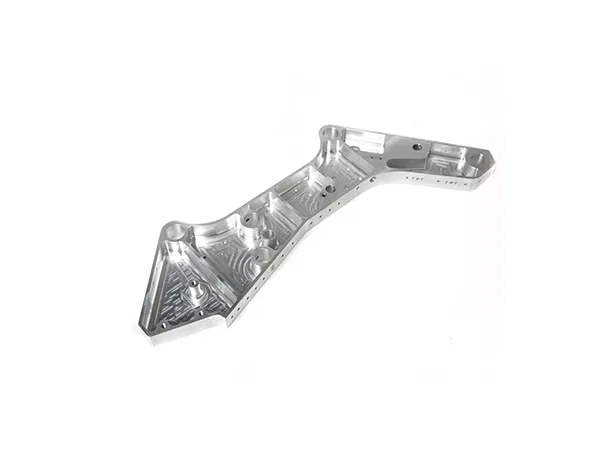
structural components

Complex aviation parts

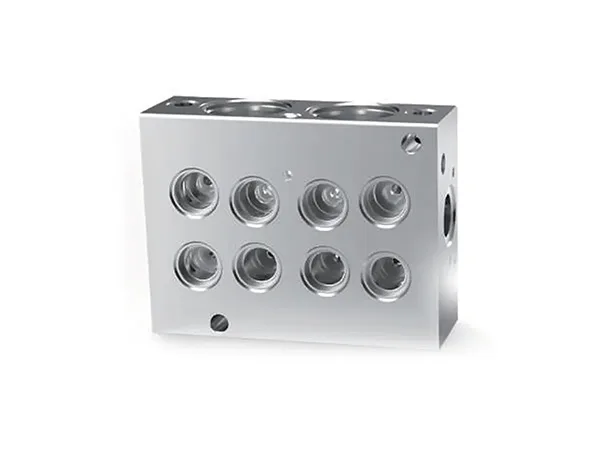
Valve blocks

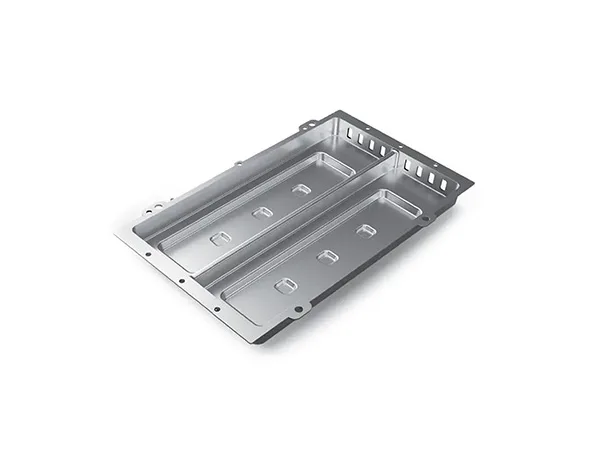
Battery case

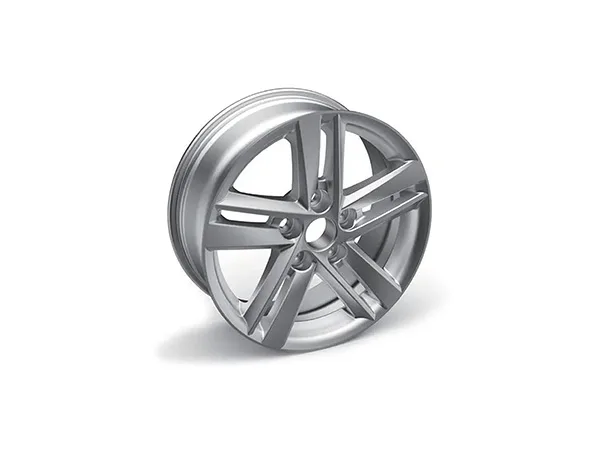
Aluminum wheels

Photos of Our Horizontal Machine

FAQ of Horizontal Machining Center


How to select the right Horizontal Machining Center?

Workpiece information:
1.Material:Steel?Aluminum?Cast iron?
2.Size:Length/Width/Height/
3.Weight:Maximum workpiece weight
4.Machining process:Milling/Drilling/Tapping/Boring
5.Production volume:Prototype/Small batch/Mass production
6.Required accuracy:Standard machining/Precision machining

What are the characteristics of a horizontal machining center?

Unlike vertical machining centers, HMCs are designed for Heavy cutting、Multi-side machining、Large 、complex componente、High-volume production

Horizontal machining centers are particularly suitable for:
1.auto parts
2.Aviation structural components
3.Engineering machinery parts
4.Box type components
5.Molds and large precision parts

How to choose between a vertical machining center and a horizontal machining center?

Choose VMC for:
1.Mold machining
2.Small/medium parts
3.General machining

Choose HMC for:
1.Large parts
2.Heavy cutting
3.High production volume
4.Box-type components

What parts can be machined by a Horizontal Machining Center?

Automotive Industry
1.Engine blocks
2.Transmission housings
3.Brake components

Aerospace Industry:
1.Structural components
2.Aluminum parts

Engineering Machinery
1.Hydraulic components
2.Gear housings

General Manufacturing
1.Machine bases
2.Gear boxes
3.Precision mechanical parts

Why is a Horizontal Machining Center better for box-type parts?

Box-type components usually require machining on multiple surfaces.
A horizontal machining center equipped with a rotary table can:
1.Rotate the workpiece automatically
2.Complete multiple faces in one clamping
3.Maintain higher positional accuracy

Examples:
1.Gear boxes
2.Pump bodies
3.Motor housings
4.Hydraulic valves
Reduce multiple clamping, manual adjustment, and processing errors
Improve processing efficiency and product consistency

What is the role of the rotary table on an HMC?

The rotary table (B-axis) enables automatic indexing or simultaneous machining.
4-axis machining Functions::
X/Y/Z + B axis Suitable for:
1.Four-side machining
2.Hole patterns
3.Angular machining

5-axis machining Functions::
X/Y/Z + B + additional rotary axis Suitable for:
1.Complex surfaces
2.Aerospace components
3.Impellers

What spindle specifications are important for HMC?

1.Spindle power Common is 15/8.5/22/26/30/37kW
2. Spindle torque determines heavy cutting ability.
Example:Steel / Cast iron machining Need High torque and Low speed cutting

Aluminum machining Need High speed and Lower torque
3. Spindle taper Common is BT40 For General machining/BT50 For Heavy cutting and Large diameter tools

Does a Horizontal Machining Center need BT50 spindle?

Not always.

Selection depends on machining requirements.
BT40 spindle Suitable for:
1.Medium parts
2.General steel machining
3.High-speed machining
BT50 spindle Suitable for:
1.Large steel parts
2.Cast iron
3.Heavy cutting
4.Large cutters
For example:
Aerospace aluminum parts:BT40 + high speed spindle
Heavy machine components:BT50 + high torque spindle

What spindle speed is suitable for a Horizontal Machining Center?

Heavy steel cutting:3000-6000 rpm
General steel machining:6000-8000 rpm
Aluminum machining:10000-15000 rpm
Precision machining:12000 rpm+

High speed does not always mean better.
The correct choice depends on:
1.Material
2.Tool diameter
3.Cutting method
4.Required surface finish

What is the importance of the machine structure?

A high-quality HMC requires:

Heavy cast iron base Provides:
1.High rigidity
2.Vibration absorption

Wide guideways Provides:
1.Better load capacity
2.Long-term accuracy

High precision ballscrewsProvides:
1.Position accuracy
2.Repeatability

Thermal compensation Improves Long machining stability