Turn-Mill Machines

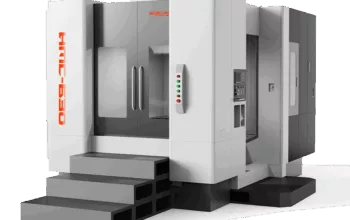
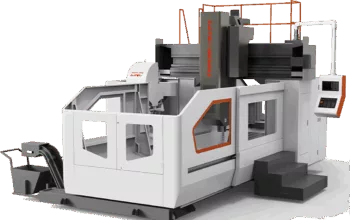
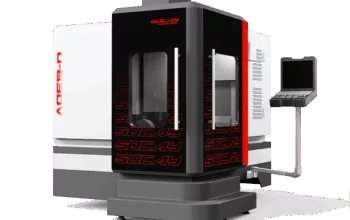
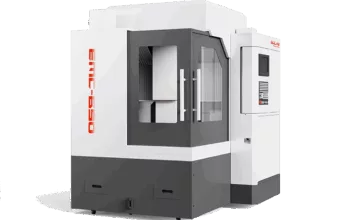
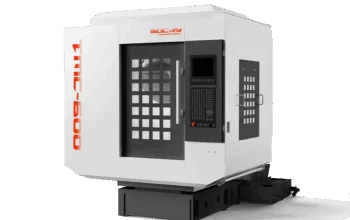
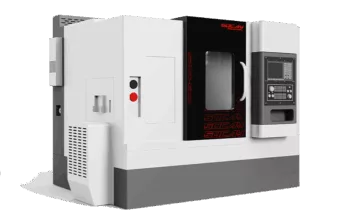
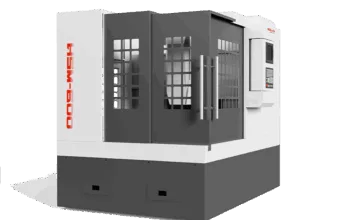
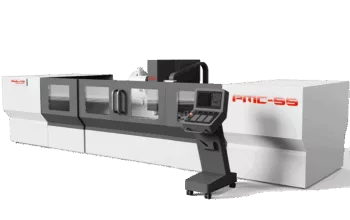
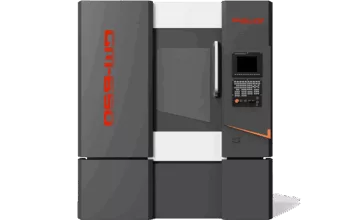
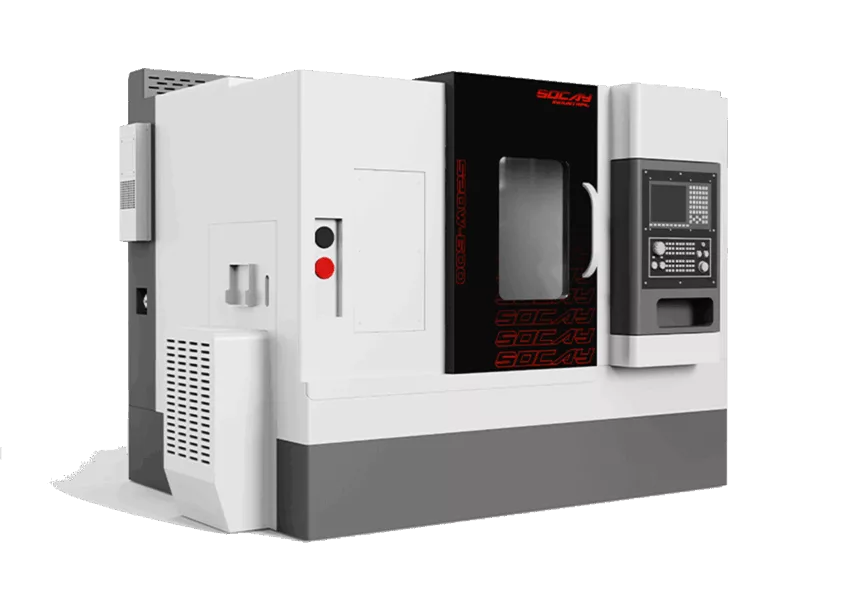
Turn-mill machine is a type of turning center that adds a milling axis to the traditional lathe, integrating turning and milling operations to complete the machining of complex cylindrical workpieces without repetitive clamping. Our turn-mill machines are simple in structure, reliable and durable, with high precision retention, and at an affordable price. Dimensions and parameters can be customized according to project requirements.

Turn-Mill Machines

Our Turn-Mill Machines

Turn-mill

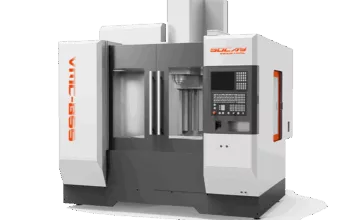
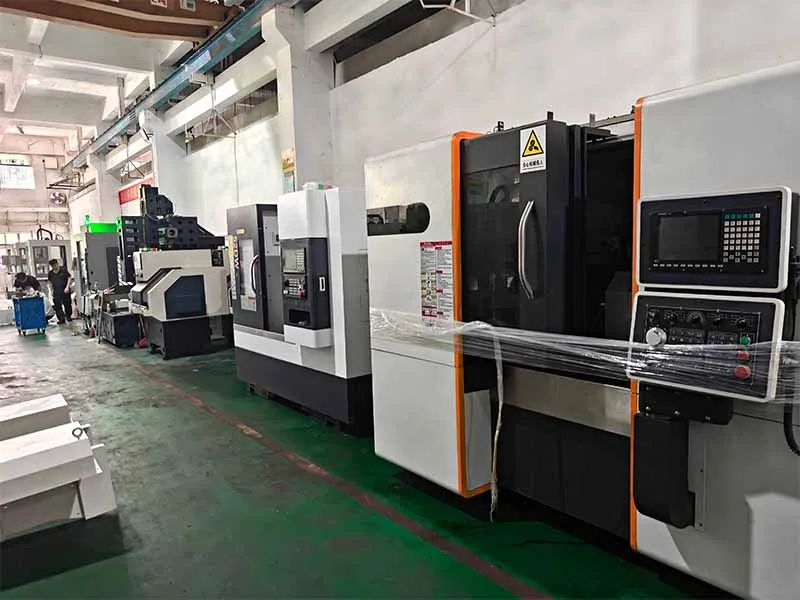
We offer three models of Turn-Mill Machines, all of which can perform turning and milling operations. There are four standard sizes in total. Dimensions, spindle, and turret can all be customized according to requirements.

Contact Us

Machine Parameters

  • DW Series
  • DWY Series
  • DYS Series
ModelUnit46DW52DW65DW75DW
Max. swing over bedmm500600650700
Max. machining diametermm400480500500
Max. machining lengthmm300/450/600450/600/800550/750600/1000
Max. bar capacitymmφ46φ52φ65φ75
X-axis travelmm250260260300
Z-axis travelmm350/480/620480/620/850600/8001000/1500
SpindleA2-5A2-6A2-6A2-8
Max. spindle speedrpm/min5000450040003000
Spindle through-hole diametermmφ56φ62φ82φ86
Spindle motor powerkw7.5111115
Rapid traverse rate X/ZM/min30303024
Positioning accuracymm±0.008±0.008±0.008±0.008
Repeatabilitymm±0.003/300±0.003/300±0.003/300±0.003/300
Turret specificationsServo turret 8T/12TServo turret 12TServo turret 12TServo turret 12T
Tailstock specificationsMT4MT5MT5MT5
Total machine weightkg4000500057007800
Machine dimensionsmm2000*1500*17002600*2000*21002800*2000*21003700*2200*2100
View More
View Less
ModelUnit46DWY52DWY65DWY75DWY
Max. swing over bedmm500600650700
Max. machining diametermm400480500500
Max. machining lengthmm300/450/600450/600/800550/750600/1000
Max. bar capacitymmφ46φ52φ65φ75
X-axis travelmm250260260300
Y-axis travelmm±40±50±50±75
Z-axis travelmm350/480/620480/620/850600/8001000/1500
SpindleA2-5A2-6A2-6A2-8
Max. spindle speedrpm/min5000450040003000
Spindle through-hole diametermmφ56φ62φ82φ86
Spindle motor powerkw7.5111115
Live tooling specificationsBMT45BMT55BMT55BMT65
Max. live tool speedrpm6000400040004000
Rapid traverse rate X/Y/ZM/min30/15/3030/15/3030/15/3024/15/24
Positioning accuracymm±0.008±0.008±0.008±0.008
Repeatabilitymm±0.003/300±0.003/300±0.003/300±0.003/300
Turret specificationsY-axis live turret12TY-axis live turret12TY-axis live turret12TY-axis live turret12T
Tailstock specificationsMT4MT5MT5MT5
Total machine weightkg4000500057007800
Machine dimensionsmm2000*1500*17002600*2000*21002800*2000*21003700*2200*2100
View More
View Less
ModelUnit46DYS46DYSS52DYS52DYSS
Max. swing over bedmm500500650650
Max. machining diametermm350350400400
Max. machining lengthmm500500550550
Max. bar capacitymmφ52φ52φ52φ52
X1/X2-axis travelmm260/200260/200280/200280/200
Y-axis travelmm±40±40±50±50
Z1/Z2/Z3-axis travelmm600600600600
Spindle noseA2-5A2-5A2-6A2-6
Max. spindle speedrpm/min6000600040004000
Spindle through-hole diametermmφ62φ62φ62φ62
Spindle motor powerkw7.57.51111
Live tooling specificationsBMT45BMT45BMT55BMT55
Max. live tool speedrpm6000600040004000
Rapid traverse rate X/Y/ZM/min30/15/3030/15/3030/15/3030/15/30
Positioning accuracymm±0.008±0.008±0.008±0.008
Repeatabilitymm±0.003/300±0.003/300±0.003/300±0.003/300
Total machine weightkg6400640080008000
Machine dimensionsmm2700*2200*21002700*2200*21003800*2200*21003800*2200*2100
View More
View Less

Overview of Our Turn-Mill Machines Series

The model numbers of our Turn-Mill Machines are composed of numbers + letters. Numbers represent travel, letter D represents turret, letter W represents tailstock, letter L represents extended length, and S represents twin spindle. You can choose according to your needs. In addition to standard twin spindle models, we also have twin turret twin spindle models. Please contact our engineers if needed.
CNC Lathe

Strictly Control Every Assembly Detail

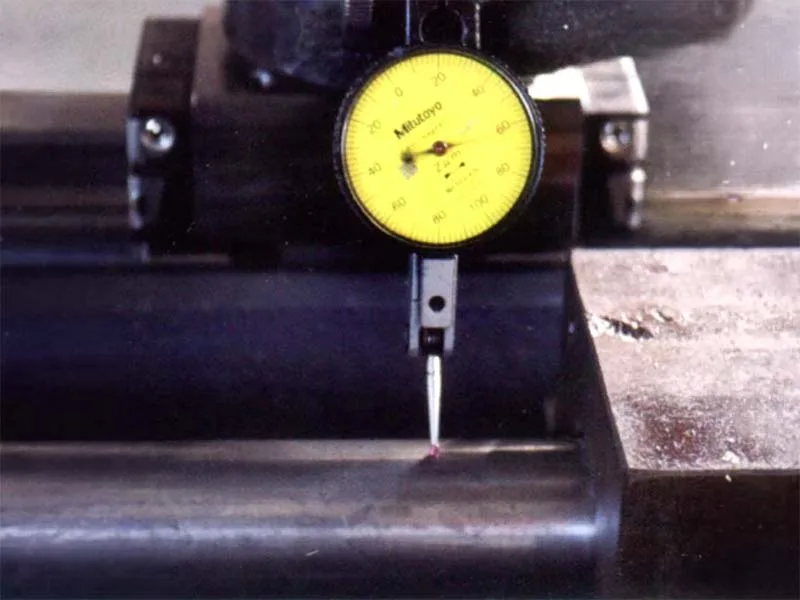
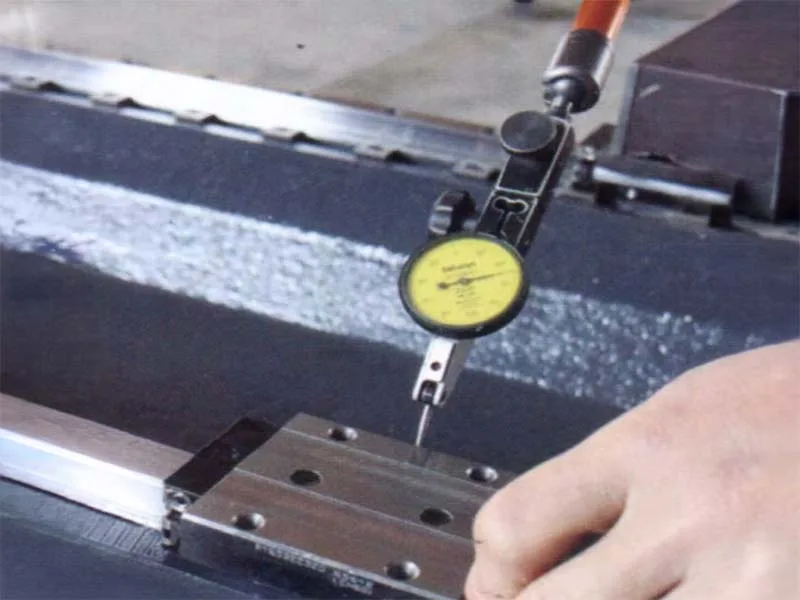
Guideway parallelism inspection

The full stroke is required to be within 0.005 mm.

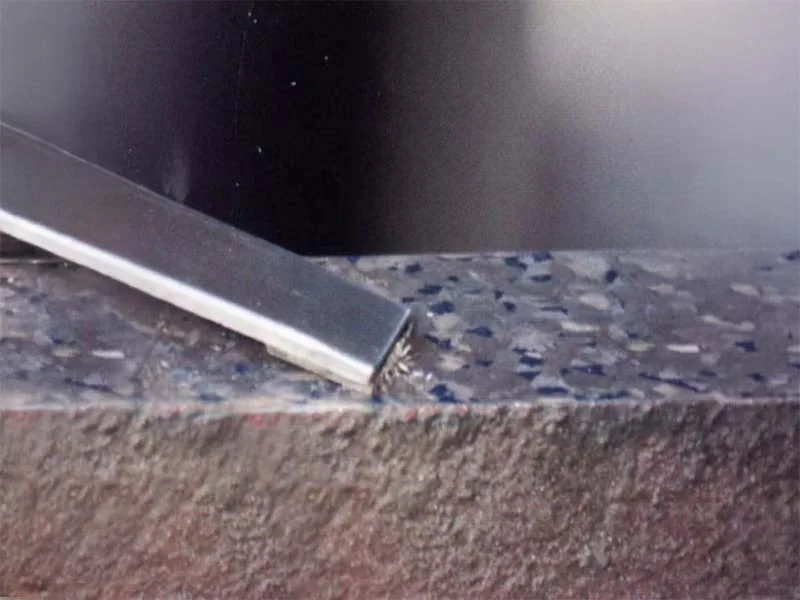
Scraping process

Required to reach 20-25 contact points per square meter

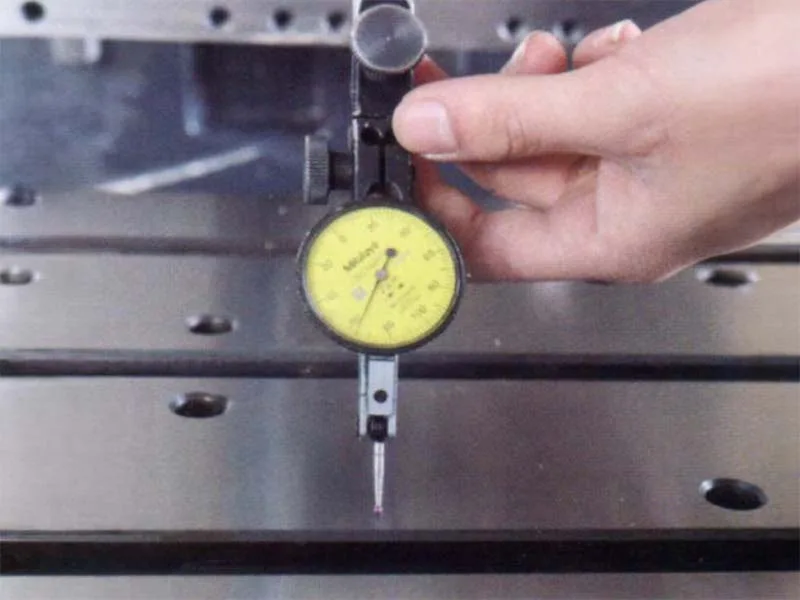
Worktable flatness inspection

Required to be within 0.015 mm

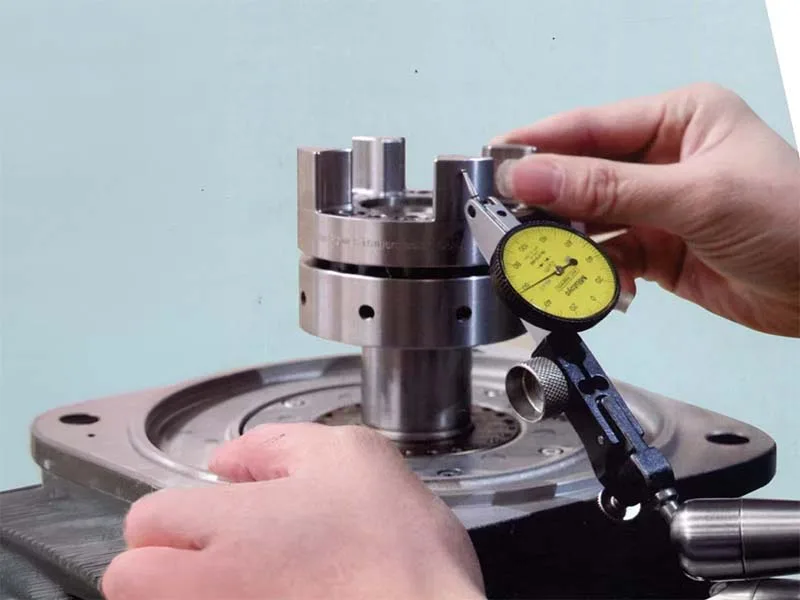
Spindle coupling inspection

Required concentricity to be within 0.005 mm

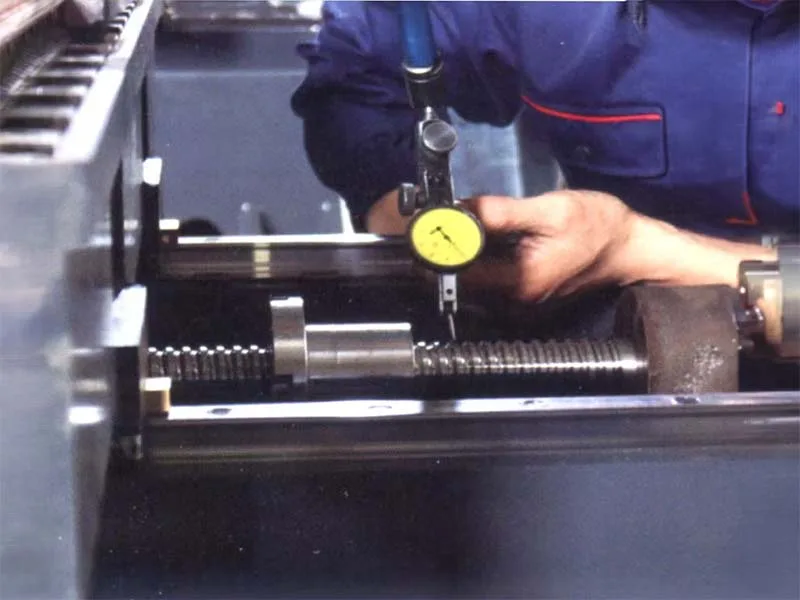
Ballscrew concentricity inspection

Required to be within 0.005 mm

Bearing alignment test bar inspection

Required to be within 0.005 mm

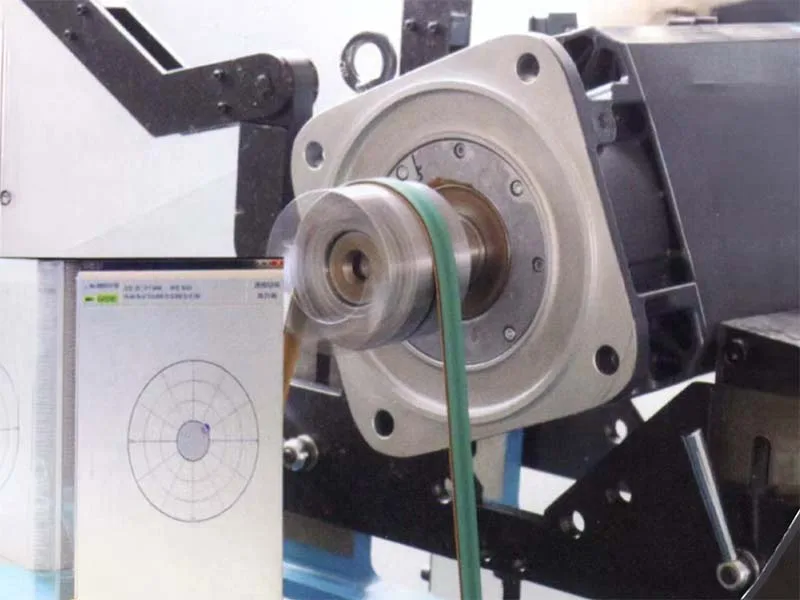
Spindle motor dynamic balance inspection

Required to reach G2.5 or better

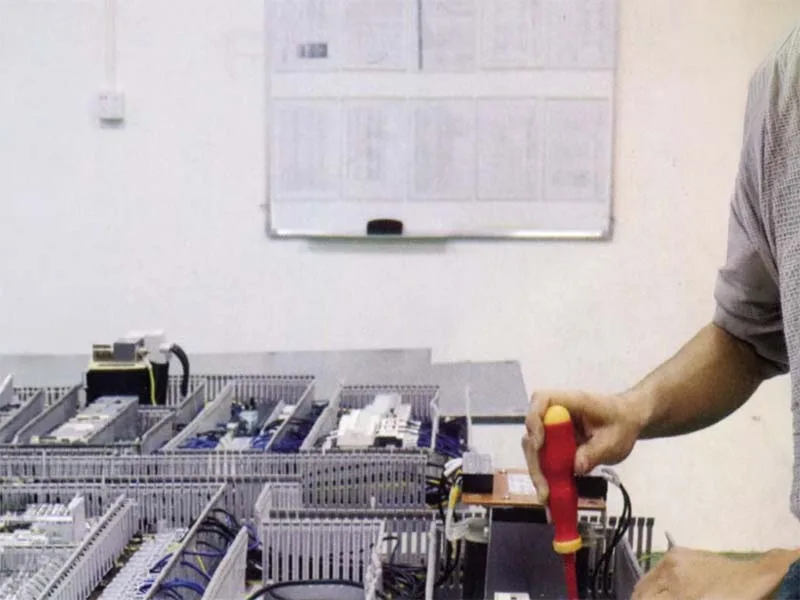
Electrical board assembly line

Required to meet JB/T 10324-2002 standard

FAQ of Turn-mill machine


How does a CNC Turn-Mill Machine work?

A CNC Turn-Mill Machine rotates the workpiece like a CNC lathe while powered milling tools perform milling operations.

The machine synchronizes:
C-axis spindle
Live tooling
Y-axis movement
X-axis
Z-axis

Advanced models also include:
B-axis milling head
Sub spindle
Automatic part transfer

allowing complete machining in one setup

What is the difference between a CNC Turn-Mill Machine and a CNC Lathe?

A CNC Lathe mainly performs turning operations.
A CNC Turn-Mill Machine performs:
Turning
Milling
Drilling
Tapping
Boring
Slotting
Helical Milling
Thread Milling
Gear Milling (optional)

without secondary operations.

What is Live Tooling?

Live Tooling refers to powered tools mounted on the turret.
Unlike standard turning tools, Live Tooling rotates independently, enabling:
Milling
Drilling
Tapping
Slotting
Polygon machining

What is the Y-axis on a Turn-Mill Machine?

The Y-axis allows off-center machining.
It enables:
Side milling
Eccentric drilling
Keyway milling
Pocket milling
Multi-face machining

Without a Y-axis, many complex milling operations are impossible.

What is a C-axis?

The C-axis controls spindle positioning.
It enables:
Indexing
Face milling
Polar coordinate milling
Hole positioning
Gear machining

What is a B-axis?

The B-axis rotates the milling head.
It enables:
Angular drilling
Inclined milling
Five-sided machining
Complex contour machining

Can a Turn-Mill Machine replace multiple machines?

Yes.
One Turn-Mill Machine can replace:
CNC Lathe
CNC Milling Machine
Drilling Machine
Tapping Machine

In many applications, it can reduce machine quantity by over 50%

Does a Turn-Mill Machine require a sub spindle?

Not always.
A sub spindle is recommended when:
Both ends of the workpiece require machining.
Complete machining is desired without manual flipping.
High productivity is required.

What maintenance does a Turn-Mill Machine require?

Routine maintenance includes:
Lubrication inspection
Coolant maintenance
Hydraulic system inspection
Pneumatic system inspection
Chip conveyor cleaning
Spindle inspection
Ball screw lubrication
Linear guide maintenance
Tool holder cleaning
Machine calibration