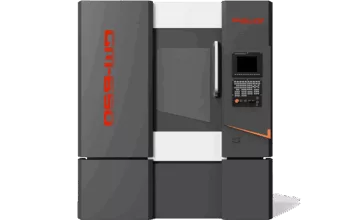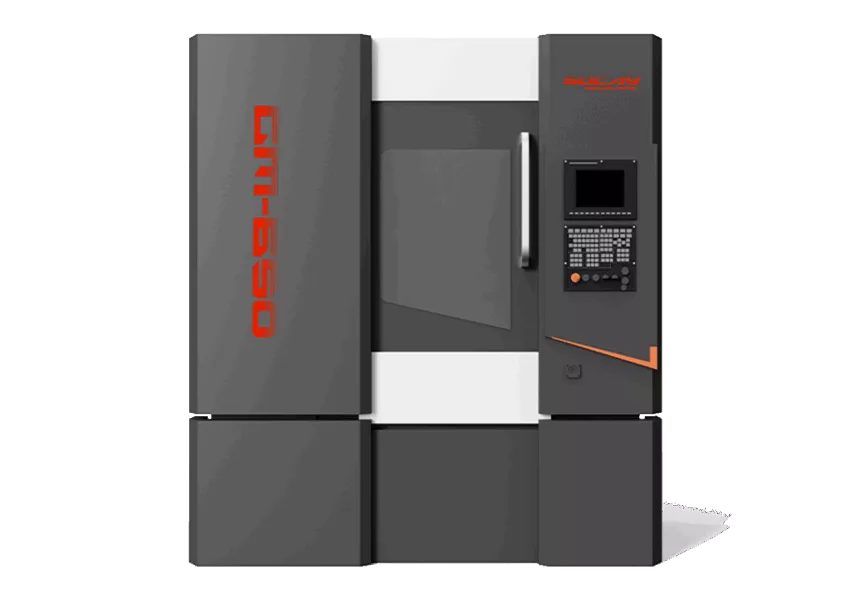
Graphite Machining Center

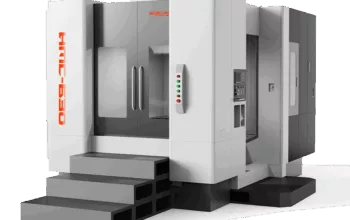
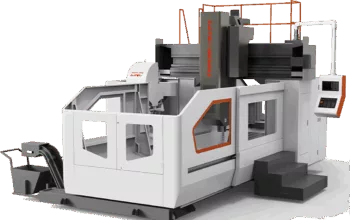
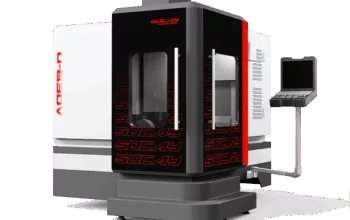
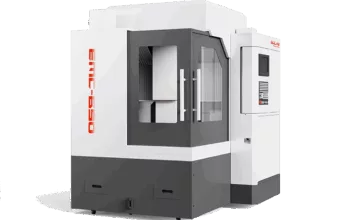
Graphite machining centers are CNC machine tools specially used for machining graphite electrodes, graphite molds, and graphite products, undergoing processing and optimization centered around high speed, high precision, low dust pollution control, and equipment protection functions.

Graphite Machining Center

Our Graphite Machines

Graphite

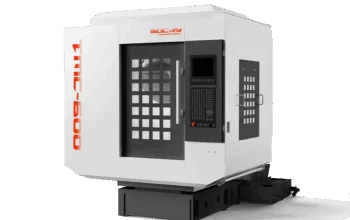
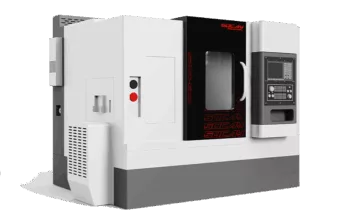
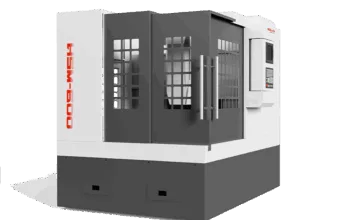
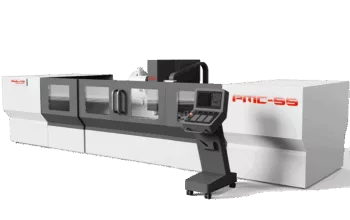
Our graphite machines have two basic models. They have both undergone long-term machining verification and are mature graphite machining solutions.

Contact Us

Machine Parameters

  • 600x500
  • 900x450

Features of our graphite machining center

Under the same dimensions of the machined workpiece, the vertical machining center has a small footprint, moderate cost, low learning difficulty, and intuitive operation, while being the most versatile machine with the widest range of applications. Machines with a vertical structure have strong expandability, and various general-purpose enhanced components can be directly installed to increase machine performance. Socay provides vertical machines of various dimensions and various configurations to meet your machining needs.
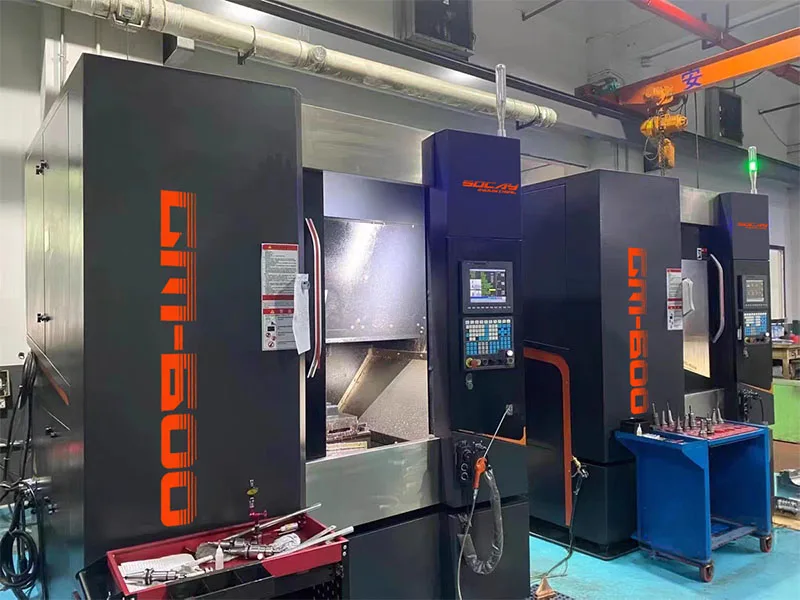
graphite machine

Graphite Machining Center VS Ordinary Machining Center

ItemGraphite Machining CenterStandard machining center
Spindle speed18000-60000rpm8000-12000rpm
Dustproof capabilityProfessional fully sealedOrdinary
Vacuum dust collection systemIndustrial-grade vacuum dust collection systemNone/Simple
Material adaptationGraphite dedicatedMetal
Equipment protectionProfessional protectionEasily affected by dust
Machining targetGraphite electrodesMetal parts

FAQ of Graphite machining center


What is the biggest difference between a Graphite Machining Center and a Standard CNC Machining Center?

The biggest difference is that graphite machining generates extremely fine conductive dust.
A dedicated Graphite CNC Machine includes:
Fully enclosed machine structure
Positive pressure electrical cabinet
High-efficiency dust extraction system
Sealed linear guideways
Sealed ball screws
Anti-static protection
High-speed electric spindle
Dry machining design
A conventional CNC machining center is not designed to resist graphite dust contamination, which can shorten machine life and reduce machining accuracy.

Why can't graphite be machined on a normal CNC machine?

Graphite dust is:
Extremely fine
Electrically conductive
Highly pervasive
Harmful to machine components
Without proper sealing and dust extraction, graphite particles can enter:
Bearings
Ball screws
Servo motors
Electrical cabinets
Spindle assemblies
This contamination accelerates wear, increases maintenance costs, and may cause electrical failures.

What materials can a Graphite Machining Center process?

Besides graphite, many machines can also process:
Isostatic graphite
EDM graphite
Carbon graphite
Carbon fiber composites
Carbon materials
Ceramic materials
Soft composite materials
Some hybrid models can machine aluminum after thorough cleaning, although dedicated graphite-only operation is generally recommended to avoid contamination.

Why is Graphite machining center's dust collection system important?

Dust extraction is one of the most critical systems on a graphite machining center.
Benefits include:
Protecting the spindle
Preventing guideway contamination
Improving machining accuracy
Extending machine life
Maintaining a clean working environment
Reducing maintenance costs
Improving operator safety
High-efficiency dust extraction is widely regarded as a key factor affecting long-term machine performance.

Does graphite machining require coolant?

No.
Most graphite machining is performed using dry machining.
Liquid coolant is generally avoided because it mixes with graphite dust to form abrasive slurry, which can damage the machine and contaminate the porous graphite workpiece. Effective dust extraction is preferred.

What spindle type is best for graphite machining?

An electric spindle (built-in motor spindle) is generally preferred because it offers:
High rotational speed
Low vibration
Excellent surface finish
High dynamic accuracy
Fast acceleration/deceleration
Reduced thermal deformation