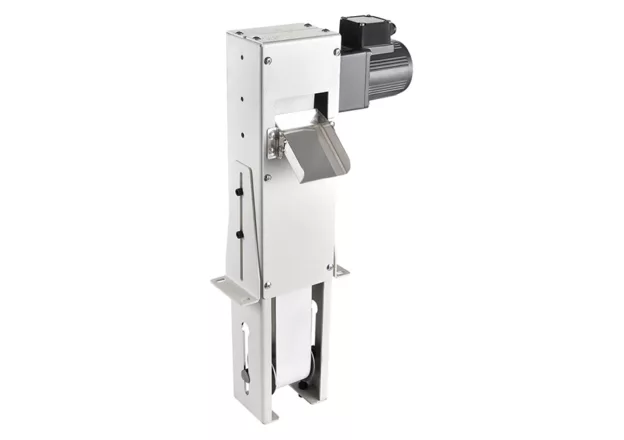
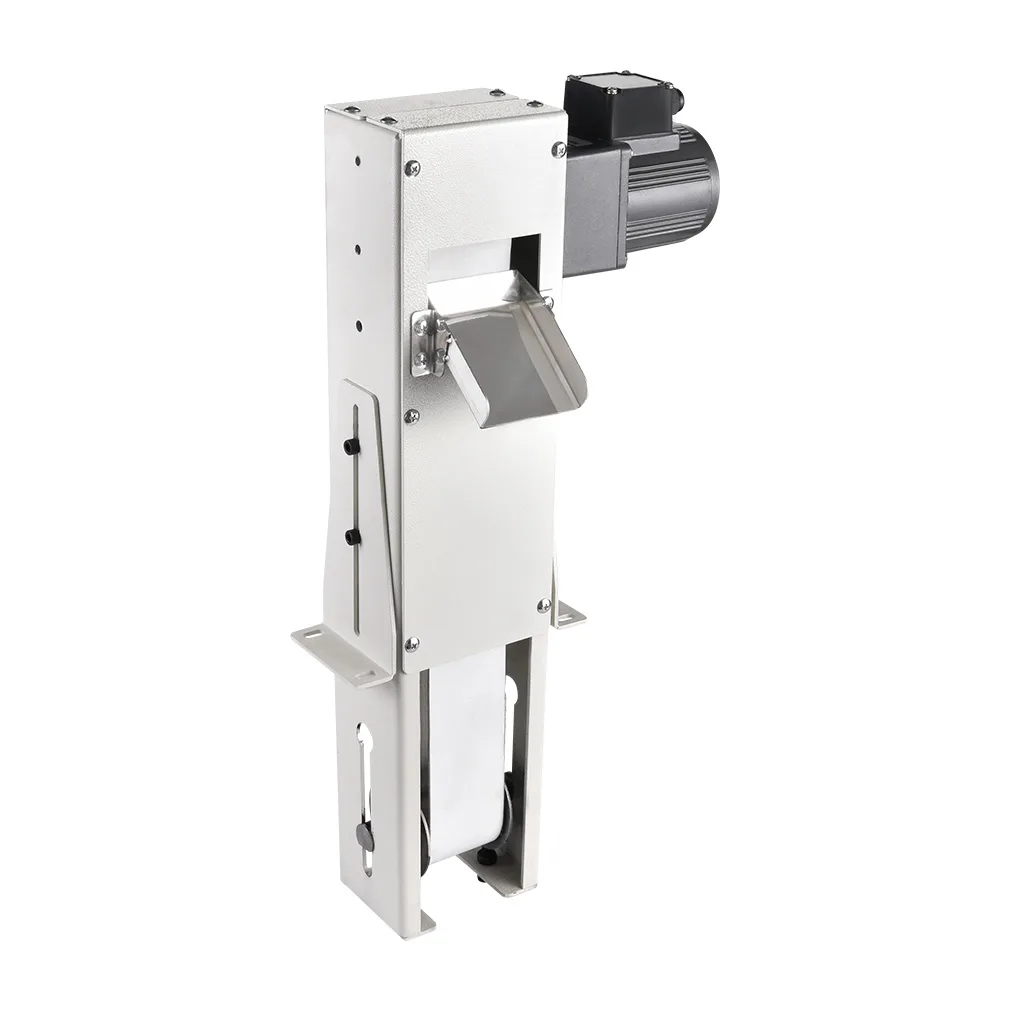
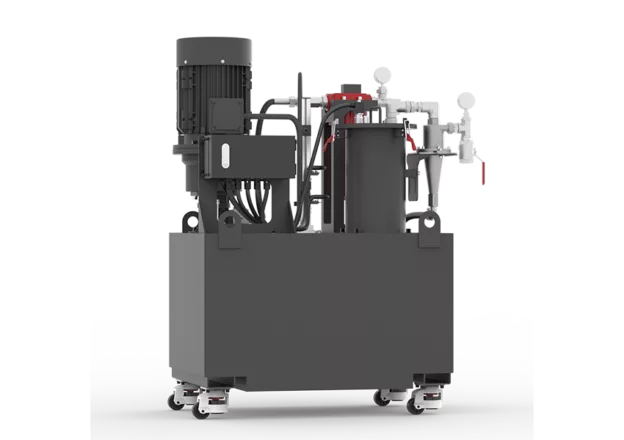
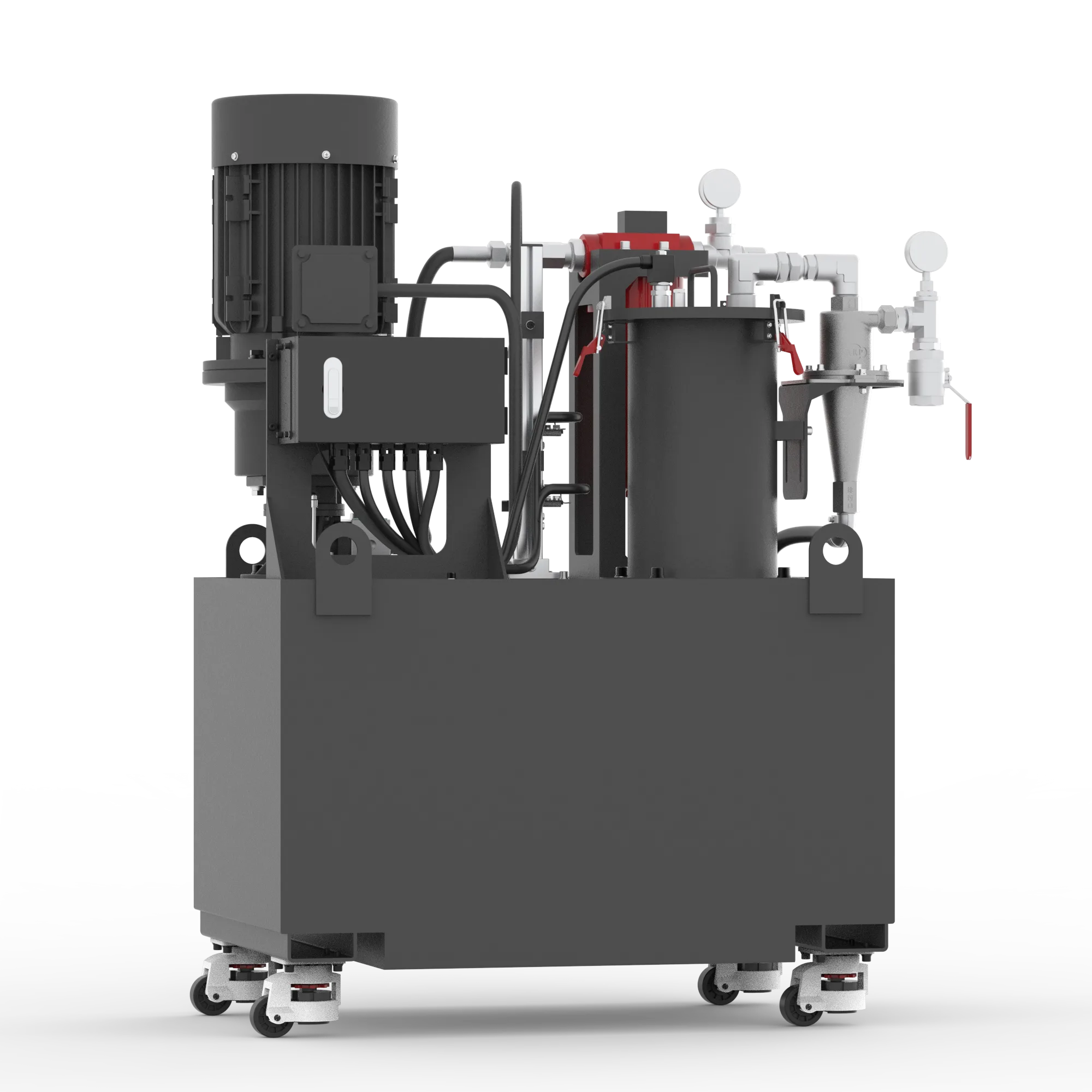
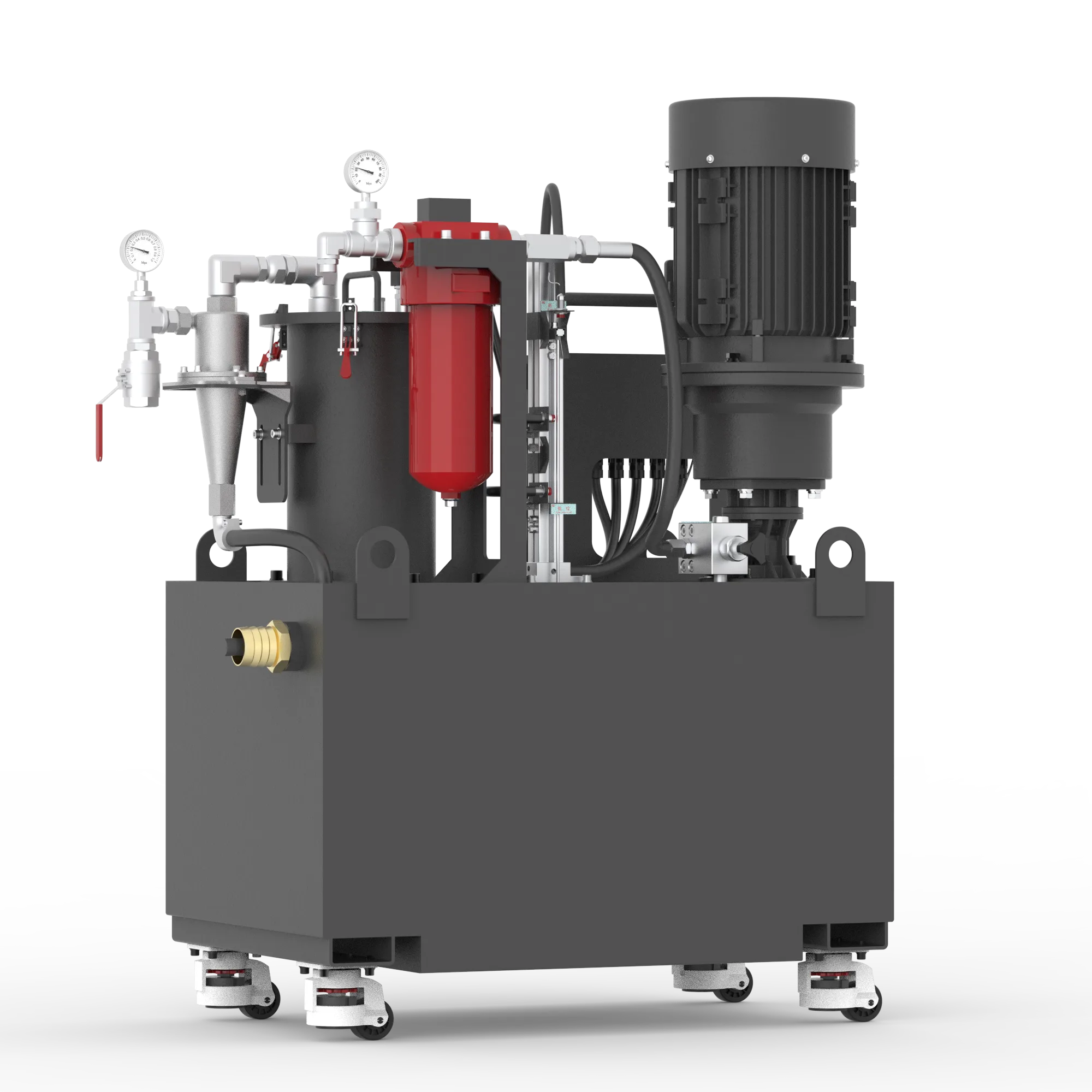
Oil-water separator is the most important environmental protection/circulation equipment in CNC machine tools.
In the machining process, a large amount of coolant (cutting fluid) is required, which will generate a large amount of wastewater and waste oil. These wastewater and waste oil will affect human health and greatly pollute the environment. Therefore, they cannot be discharged directly; they need to be separated and then treated separately. The separated water enters the water cycle for reuse, and the separated oil is treated harmlessly alone.
Gravity separation: Utilizing the different specific gravities of oil and water under the action of gravity to separate oil and water.
Air flotation separation: Making a large amount of grease or solid particles float up by generating air bubbles, and then utilizing gravity separation methods to separate them from the liquid.
Filtration separation: Utilizing equipment such as filters to separate solid particles through physical filtration methods.
FAQ of Oil-water Separator
Will oil-water separators affect machining accuracy?
It will not directly affect the positioning accuracy. But it can maintain stable coolant and cutting temperature, reduce tool chip buildup, and improve surface smoothness The assistance is particularly evident for mold processing, precision parts, medical parts, and aviation components.
Does the oil-water separator need maintenance?
Many customers’ first reactiIt needs maintenance Usually only requires: Regularly clean and collect waste oil Clean the oil absorbing components Check the operation of the motor The maintenance workload is very small.
Can oil-water separators reduce skin allergies?
Many customers’Many operators have been exposed to deteriorated coolant for a long time. Possible skin irritation, eczema, itching Keeping the coolant clean can help improve the working environment, but it cannot completely avoid all skin problems. Proper coolant management and personal protection should still be coordinated.
Do all machine tools require an oil-water separator?
No. If continuous production is carried out for a long time, water-based coolant is used, there is a lot of lubricating oil in the guide rail, and the hydraulic system works for a long time, we highly recommend configuring it. If it is only occasional processing, running for a few hours a day with almost no lubricant leakage, the demand will not be so urgent
Is oil-water separator worth investing in?
For long-term production enterprises, it is usually worth it. The reasons include: Extend the lifespan of the coolant Reduce the frequency of fluid change Reduce the cost of waste liquid treatment Improve processing stability Reduce downtime maintenance
Which machine tools are suitable for oil-water separators?
The oil mist collector will collect the vaporized oil mist for unified treatment, which is a very important environmental protection equipment for CNC machine tools.
During the machining process, the high-speed rotating cutting tool will directly vaporize part of the cutting fluid, and the cutting fluid more or less contains oil ingredients inside. The vaporized oil and water are toxic to the human body and will also cause irreversible damage to the environment. The oil mist collector is specially used to collect the vaporized cutting fluid and degrade it for subsequent harmless treatment.
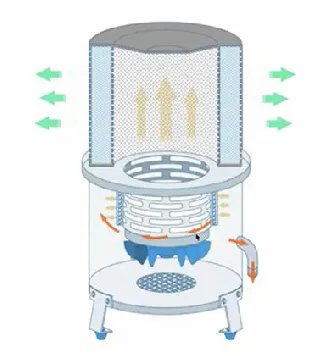
The high-speed rotating motor impeller generates negative pressure, sucking the oil mist produced during machining into the interior of the collector. Then, through the high-speed rotating oil-flinging disc, tiny oil mist particles are collided and remain on the filter media. After filtration, the collected oil returns to the machine tool tank through the oil return pipe to continue to be used, and the purified air is discharged directly.
FAQ of Oil mist collector
What problems can occur without an oil mist collector?
For employees:
Respiratory irritation
Skin contact with oil mist
Deterioration of working environment For the factory:
Oil on the surface area of walls and equipment
The ground is wet and slippery, posing a safety risk
Blockage of air conditioning filtration system
Frequent cleaning of the workshop is required Regarding machine tools:
Pollution inside the electrical cabinet
Decreased lifespan of electronic components
The guide rail and screw are contaminated
What types of mist can an oil mist collector remove?
1.Water soluble coolant mist for CNC milling machines and machining centers 2.Cutting oil mist for CNC lathes 3.High speed machining oil mist for high-speed spindle machining 4.Grinding fluid mist is used for grinding machines 5.Micro lubricating oil mist for MQL processing
What is the filtration efficiency?
1.Primary filtration is approximately 70% -90% 2.The standard industrial grade is approximately 90% -95% 3.The efficient filtration system is approximately 95% -99%
For CNC machining centers and CNC lathes, it is usually recommended to have a filtration efficiency of ≥ 95%
Will an oil mist collector affect machining accuracy?
No. High quality oil mist separator adopts independent motor, independent air duct, and low vibration design Will not affect spindle accuracy, guide rail motion, and workpiece dimensional accuracy
Where is the oil mist collector installed?
Method 1: Top installation of machine tool (most common) Suitable for CNC machining centers, CNC lathes, drilling and tapping centers Method 2: Side installation Suitable for workshops with limited space Method 3: Centralized System Suitable for multiple machine tool production lines
How to select the right oil mist collector size?
Mainly based on: Internal space of machine tool spindle speed Coolant usage processed materials Reference: Recommended air volume for machine tool type The small drilling machine has a capacity of 300-500 m ³/h VMC850/VMC1160 is 600-1000 m ³/h Large machining centers have a capacity of 1000-2000 m ³/h The high-speed machining center has a capacity of 1500 m ³/h or more Grinding machine selection based on dust content
How often should the filter be replaced?
Depends on daily processing time, coolant type, and processing materials General replacement cycle: The primary filter is 3-6 months old Fine filters are 6-12 months old The high-efficiency filtering module takes 1-2 years If processing materials such as cast iron and graphite, the cycle time needs to be shortened.
Can the collected oil be recycled?
Yes, it can. High quality oil mist separator adopts centrifugal separation, multi-stage filtration, and oil reflux design The collected oil can be returned to the machine tool coolant tank, reducing coolant consumption and lowering production cost
Is the oil mist collector noisy?
The noise level of a typical industrial oil mist separator is about 60-75 dB (A) High quality products adopt balanced wind turbines, low-noise motors, and shock-absorbing structures, which will not significantly affect the workshop environment
Does it consume much electricity?
Typical power: Small machines are 0.2-0.5 kW Medium sized machines are 0.75-1.5 kW Large machines are 2.2-5.5 kW Compared to improving the environment and reducing maintenance costs, the operating expenses are lower
Why do CNC machine manufacturers recommend oil mist collectors?
1.Water soluble coolant mist for CNC milling machines and machining centers 2.Cutting oil mist for CNC lathes 3.High speed machining oil mist for high-speed spindle machining 4.Grinding fluid mist is used for grinding machines 5.Micro lubricating oil mist for MQL processing
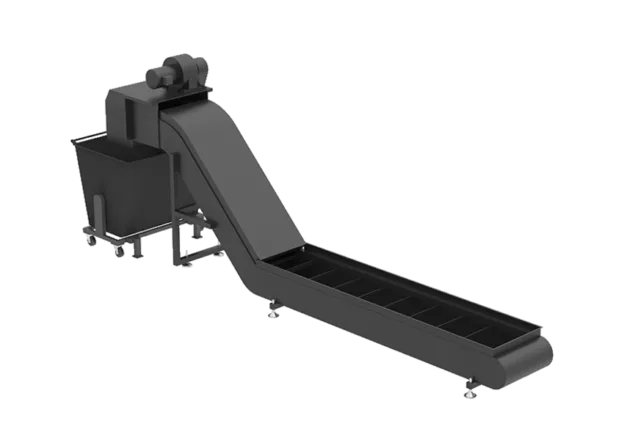
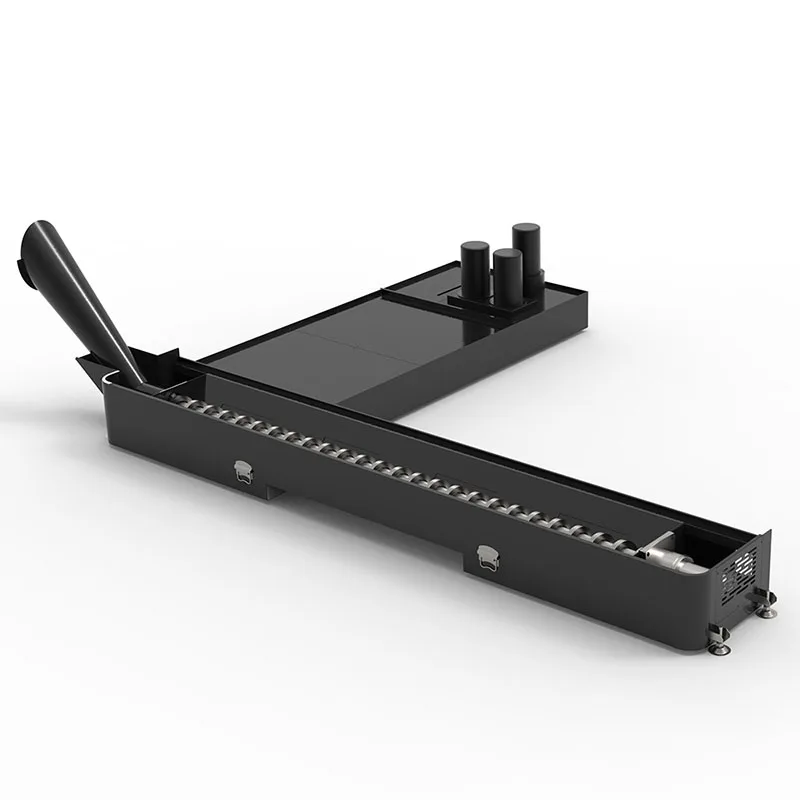
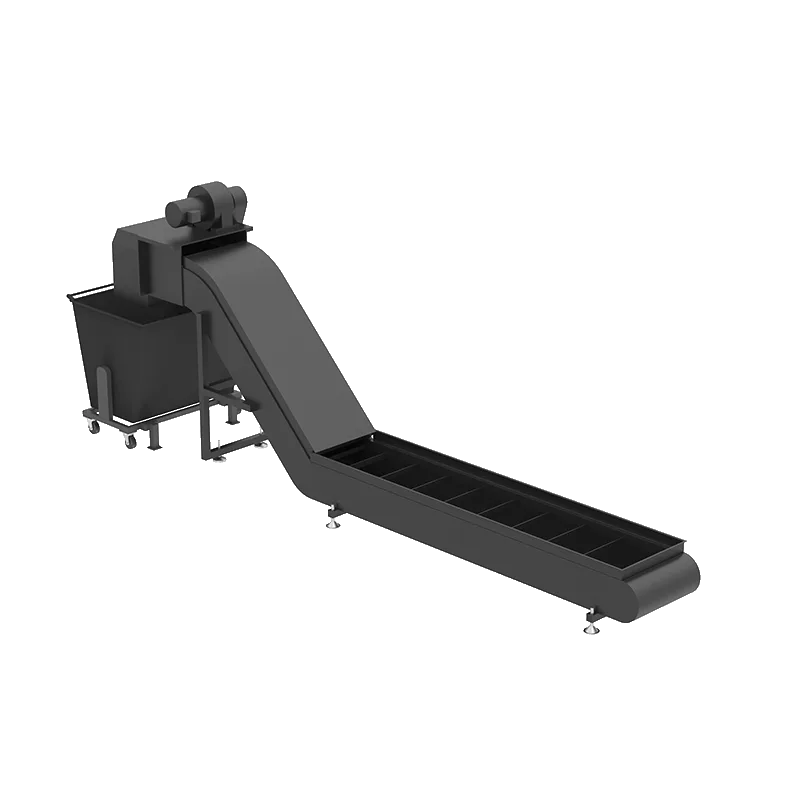
The chip conveyor is an auxiliary equipment used to automatically collect and transport metal waste chips, which can collect chips and aluminum chips generated by machining.
During the machining process, if chips cannot be discharged in time, it is very easy to cause irreversible damage to the screw and guide rail; the chip conveyor we provide is made of thickened steel plates, featuring a special motor, high load-bearing capacity, smooth operation, and good sealing, and it will not get stuck. It is equipped with overload protection
Why is a chip conveyor important for CNC machines?
Chip conveyor offers several important benefits:
Prevents chip accumulation around the cutting area
Improves machining accuracy
Extends tool life
Protects guideways and ball screws
Reduces machine downtime
Improves operator safety
Supports unattended and automated production
Enhances coolant recovery efficiency
Without proper chip removal, chips can interfere with machining operations and even damage machine components over time.
Types of tool setters we provide
Screw type chip conveyor
The screw type chip conveyor needs to be installed before leaving the factory. It is suitable for medium and small intensity machining, and the price is cost-effective.
Chain type chip conveyor
Chain type chip conveyor is used for medium and large intensity machining, and an oil-water separator can be additionally installed.
In addition to this, we also offer Scraper Chip Conveyor, Magnetic Chip Conveyor, Drum Filter Chip Conveyor and Combination Chip Conveyor Systems. Each design is suitable for different chip shapes, materials, and machining conditions.
What are the main components of a chip conveyor?
Typical components include:
Conveyor frame
Conveyor chain or belt
Drive motor
Gear reducer
Sprockets
Bearings
Coolant drainage section
Chip discharge chute
Electrical control systemOverload protection device
FAQ of chip conveyor
Which chip conveyor is best for steel machining?
A hinged belt chip conveyor is generally the best choice for steel machining because it efficiently handles long, curled, and heavy steel chips while providing reliable continuous operation.
Which conveyor is suitable for cast iron chips?
Scraper chip conveyors are commonly recommended for cast iron because cast iron usually produces short, broken chips that are easily transported by scraper systems.
Can magnetic chip conveyors transport aluminum chips?
No.Magnetic conveyors only transport ferrous materials such as:
Carbon steel
Alloy steel
Cast iron
They cannot transport aluminum, brass, copper, titanium, or stainless steel chips because these materials are non-magnetic.
Can one chip conveyor handle multiple materials?
Yes. Many CNC machining centers process different materials. Hinged belt conveyors are often selected because they can handle mixed chip types better than magnetic systems.
Can chip conveyors separate coolant from chips?
Yes. Most modern chip conveyors include coolant drainage sections that allow coolant to return to the coolant tank while transporting chips to a collection bin. Advanced systems can also integrate coolant filtration to improve coolant cleanliness and reduce waste.
Yes. Industrial chip conveyors are designed for continuous operation in automated production environments. Many machines also support automatic interval operation to optimize energy consumption
How do I choose the right chip conveyor?
Selection depends on several factors:
Workpiece material
Chip shape
Chip volume
Coolant flow
Machine layout
Available installation space
Required discharge heightProduction cycle.
What causes a chip conveyor to jam?
Common causes include:
Long stringy chips wrapping around shafts
Excessive chip accumulation
Foreign objects entering the conveyor
Worn conveyor chain
Improper chain tension
Overloaded conveyor
Regular cleaning and preventive maintenance greatly reduce the risk of jamming.
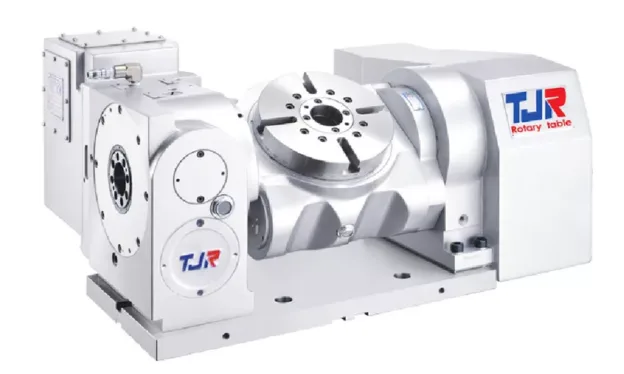
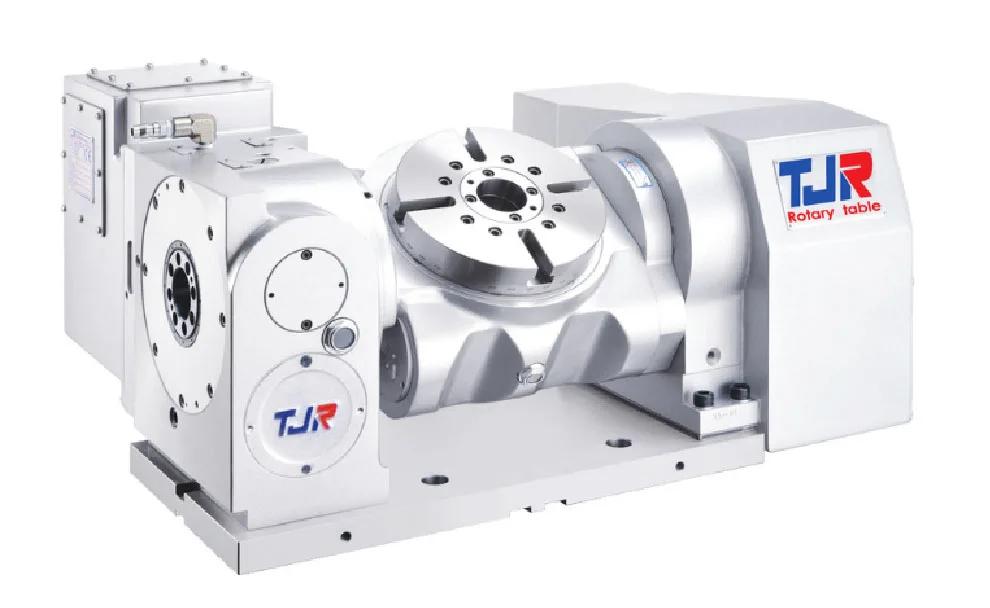
The (3+2) 5-axis system is the lowest-priced 5-axis system, and it has wide applicability, making it suitable for most 3-axis machines.
The 3+2 5-axis system is very suitable for judging whether it is necessary to transition to a true 5-axis system (structural 5-axis) based on your current machining requirements. You only need to spend a small cost to test; when the (3+2) 5-axis system is no longer sufficient, it means you need to transition to a true 5-axis (structural 5-axis) machine. We also provide structural 5-axis machines for you to choose from, supporting 5-axis simultaneous machining.
Our 5th-axis body is manufactured from alloy mold steel, making it sturdy and durable.
Drive
Just like the 4th-axis system, the drive methods for the 5th axis are also: roller gear cam, worm gear drive, and DD motor drive.
Braking systems
The brakes for the 5-axis system are also divided into pneumatic brakes and hydraulic brakes.
FAQ of (3+2)5-axis system
Does a Five-Axis CNC system require special CAM software?
Yes. Most Five-Axis machining applications require CAM software capable of generating multi-axis toolpaths, collision avoidance, and optimized machining strategies. The CAM software outputs NC programs compatible with the selected CNC controller.
Which languages does the 5-axis system support?
Most Five-Axis CNC systems support:
ISO G-code
DIN programming
Conversational programming (depending on controller)
CAM-generated NC programs
Macro programmingUser-defined subprograms
Why are structural 5-axis machines so expensive?
The high cost of a five-axis system lies in its controller—specifically, a controller capable of five-axis simultaneous motion; currently, only a handful of manufacturers worldwide produce controllers capable of this level of functionality.
What maintenance does a Five-Axis CNC system require?
Almost all 3-axis machines can be retrofitted with a 4th-axis system.
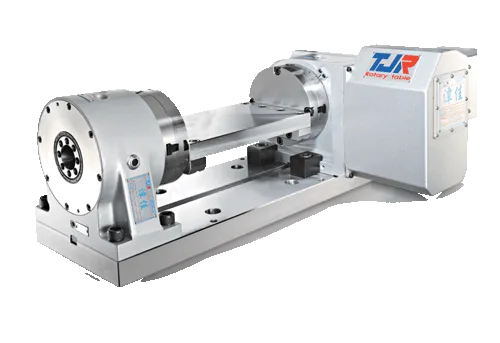
The 4th-axis system transforms planar machining into multi-sided machining, greatly improving efficiency and shortening machining time. By simply installing the 4th-axis rotary table on the worktable and adding a 4th-axis drive and motor into the controller, the 3-axis machine can be upgraded to a 4th-axis machine, which is simple, fast, and convenient to assemble and disassemble.
The 4th-axis body is manufactured from alloy mold steel, making it sturdy and durable.
Drive systems
The 4th-axis drive methods we provide include: roller gear cam, worm gear drive, and DD motor drive.
Braking systems
Brakes include pneumatic brakes and hydraulic brakes. The brake controls the axis to stop, and the brake can control the precision of the 4th axis.
FAQ of 4th-axis
Does a Four-Axis CNC system improve machining accuracy?
Yes.
By reducing the number of setups and minimizing repositioning errors, a Four-Axis CNC system improves dimensional accuracy and ensures greater consistency across production batches.
Does a Four-Axis CNC system require CAM software?
For simple indexing operations, manual programming may be sufficient. However, for complex simultaneous Four-Axis machining, CAM software is recommended to generate optimized toolpaths and reduce programming time.
What types of rotary axes are supported?
Most Four-Axis CNC systems support one rotary axis, which may be configured as:
A-axis (rotation around the X-axis)
B-axis (rotation around the Y-axis)
C-axis (rotation around the Z-axis)The specific configuration depends on the machine design and application.
What programming formats are supported?
Most Four-Axis CNC systems support:
ISO G-code
DIN programming
CAM-generated NC programs
Macro programming
SubprogramsConversational programming (on supported controllers)
Which CNC controller brands offer Four-Axis control?
Many leading CNC manufacturers provide Four-Axis control capabilities, including:
FANUC
Siemens SINUMERIK
Mitsubishi
Heidenhain
SYNTEC
Fagor
NUM
Bosch RexrothController features vary depending on the model and software options.
Through-Spindle Coolant is abbreviated as TSC. A high-pressure coolant pipe is added inside the spindle, which is paired with a high-pressure coolant pump to achieve cooling of the spindle, tool, and workpiece from inside the spindle, while evacuating the cutting chips.
The traditional method of external water pipes spraying coolant is inefficient. During the machining process, the high-speed rotating tool will fling out the coolant, and in some extreme machining processes, the coolant cannot reach the true cutting center due to angle reasons, thereby leading to premature tool wear, a decline in machining accuracy, and an increase in the scrap rate. However, when the through-spindle coolant system works, it sprays under high pressure from the inside, so it can maintain the low temperature of the spindle, tool, and machining area at all times, thereby preventing thermal deformation, washing away cutting chips, improving machining efficiency and product surface quality, and extending the service life of the spindle.
Which materials are suitable for Through-Spindle Coolant machining?
TSC is effective for machining:
Carbon steel
Stainless steel
Tool steel
Alloy steel
Aluminum alloys
Titanium alloys
Inconel
Nickel-based alloys
Copper
Brass
Cast iron
What coolant pressure is commonly used for TSC?
Typical pressure ranges include:
20–30 bar: General drilling and milling
40–70 bar: Medium-depth drilling and demanding machining
70–100 bar: Deep-hole drilling and high-performance applications
100 bar and above: Specialized aerospace, medical, and precision manufacturingThe optimal pressure depends on the cutting tool, material, and machining process.
Can TSC be used with standard tool holders?
Not always.A Through-Spindle Coolant system requires compatible components, including:
TSC-compatible spindle
Sealed tool holders
Through-coolant cutting tools
High-pressure coolant pump
Appropriate rotary unions and sealsStandard tool holders without internal coolant passages cannot deliver coolant through the tool.
What filtration level is recommended for TSC?
High-pressure coolant systems require clean coolant to protect pumps, seals, and cutting tools. Filtration between 10 and 25 microns is commonly recommended, depending on the application and machine manufacturer.
What maintenance does a TSC system require?
Routine maintenance includes:
Cleaning or replacing coolant filters
Checking coolant concentration
Inspecting the high-pressure pump
Monitoring coolant pressure
Inspecting rotary union seals
Cleaning the coolant tank
Removing chips from the filtration systemChecking hoses and fittings for leaks
Can an existing CNC machine be upgraded with Through-Spindle Coolant?
In many cases, yes. Retrofitting depends on the machine’s spindle design, coolant plumbing, and controller compatibility. Many machining centers can be upgraded with a high-pressure pump, rotary union, and compatible tooling.
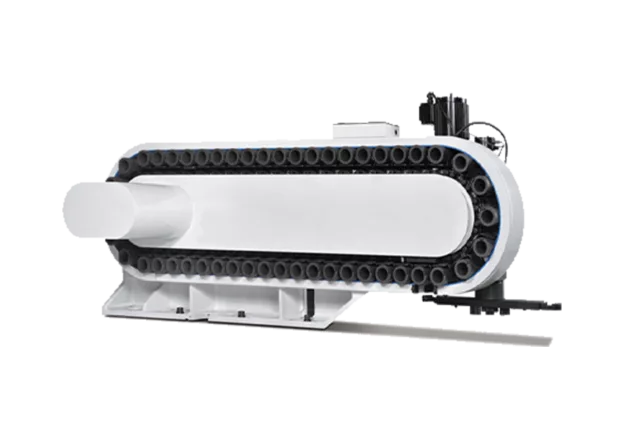
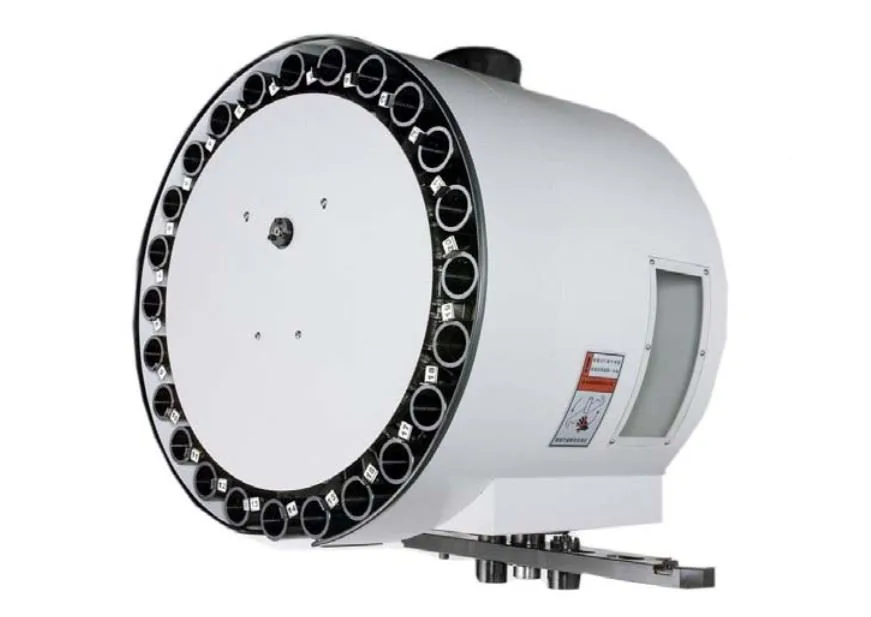
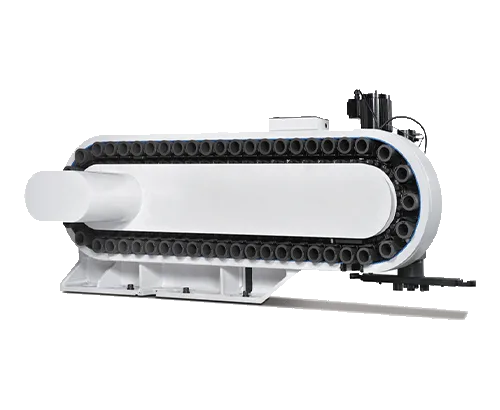
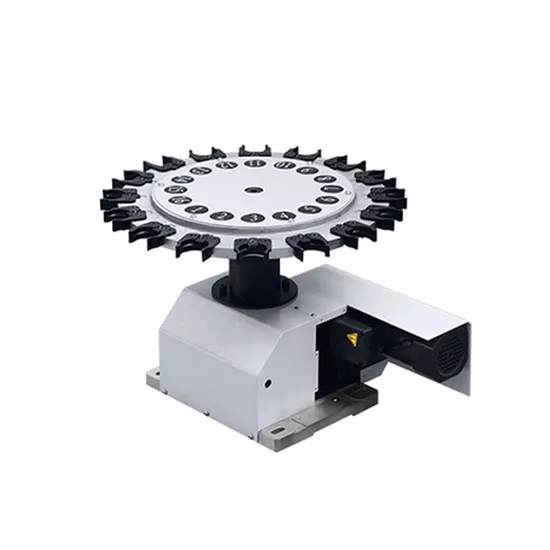
The function of the tool magazine is to store cutting tools and, in coordination with the CNC system, automatically change tools, thereby completing complex machining.
The tool is a key link in automation; a machining requirement can hardly be fully machined using only one tool. In a fast-paced machining process, automatic tool changing can reduce a massive amount of time cost and greatly improve efficiency.
Do I need a tool magazine?
In areas where 100% precision is required and low failure rates are needed, a tool magazine is not necessarily a mandatory option, because the tool magazine itself may bring a tiny bit of failure rate. For making molds, some master operators do not care about the few minutes of timeliness brought by automatic tool changing; what they care about is that every step needs to be inspected to prevent errors. Under this circumstance, having no tools results in a lower failure rate.
When complex parts machining is required and efficiency needs to be improved, then a tool magazine is indispensable. Tool magazines often come with an automatic tool changing function, and the cumulative efficiency can be improved by a lot.
Suitable for CNC engraving and milling machines, with conventional specifications of 8, 12, and 16; the tool change speed is relatively slow, making it economical and practical.

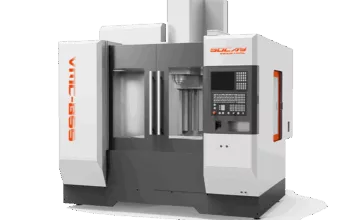 Vertical Machining Center
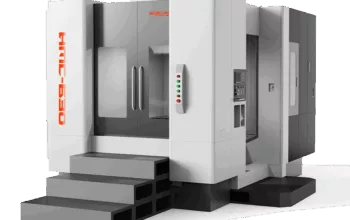 Horizontal Machining Center
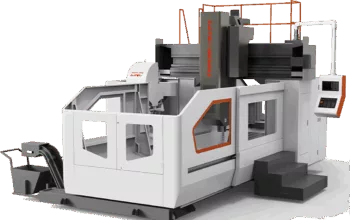 Gantry Machining Center
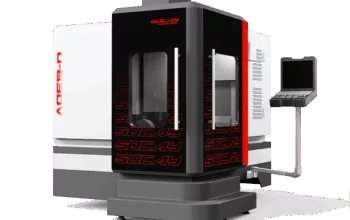 5-Axis Machining Center
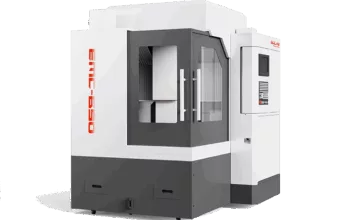 CNC Milling Machine
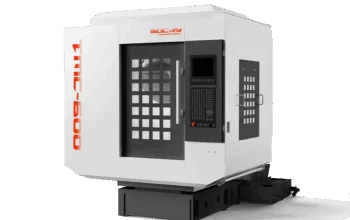 Tapping Center
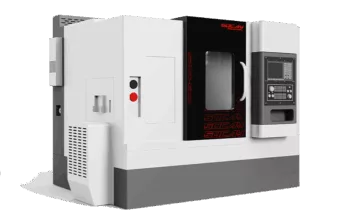 CNC lathes
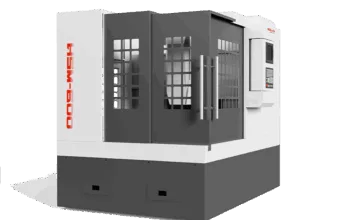 High-Speed Machining Center
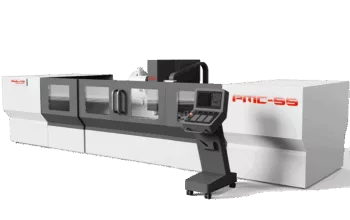 Profile Machining Center
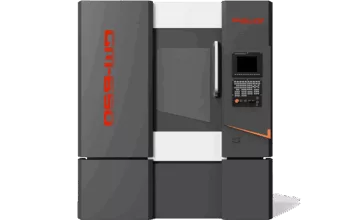 Graphite Machining Center