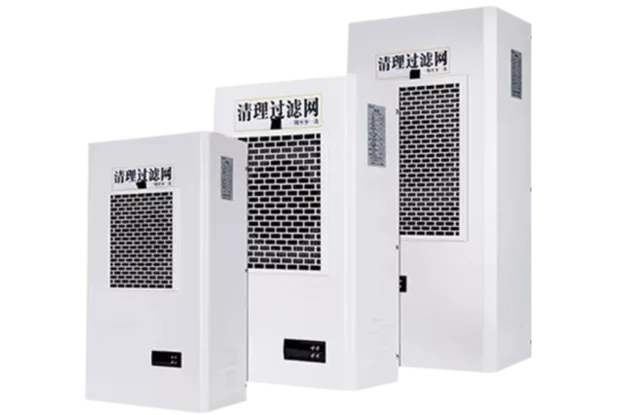
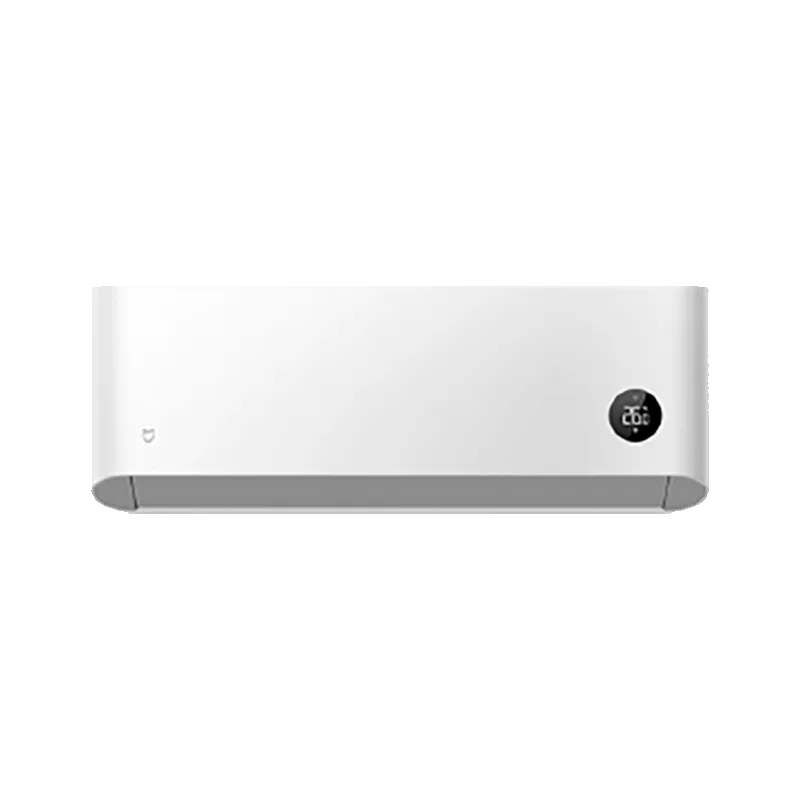
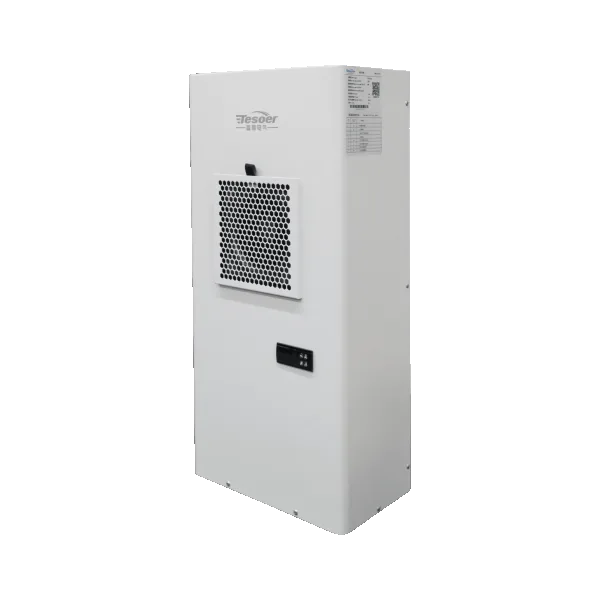
The circuit system is most afraid of high temperature, and our machine tools are equipped with electrical cabinet air conditioning as standard. It is specially used to cool down the electrical cabinet of the CNC machine.
High-intensity machining of CNC machines will generate a large amount of waste heat, and what the machine tool is most afraid of is high temperature. The high-temperature environment will not only accelerate the aging of various components of the machine, but long-term high-temperature machining will also affect the precision of the machine, so it is necessary to control the temperature in key parts. We provide a circuit cooling system by default.
If it is necessary to increase the machine service life, lower the electrical cabinet temperature, and improve safety, then an air conditioner is a must-configure.
Currently, mainstream machine tools are all electrically driven, so the electrical system is the core energy supply system of CNC machine tools.
The electrical system is composed of many components, among which the two most critical components are the transformer and the voltage stabilizer. Since the power supply standards vary in different countries and regions, voltage transformation and conversion are required to make the machine run. At the same time, because the power grid pressure in underdeveloped areas is unstable, a voltage stabilizer is needed to balance the machine operation.
Converts high-voltage factory AC power into stable low-voltage DC 24V to power the PLC, CNC panels, and control circuits safety.
Grounding Busbar
Acts as the centralized grounding point to channel leakage current and eliminate high-frequency electromagnetic interference (EMI) for safety and signal stability.
Relay Module
Uses low-voltage (DC 24V) control signals from the CNC/PLC to switch higher currents, operating pneumatic valves and downstream contactors.
Terminal Block Rail
Serves as the wiring hub to bridge internal cabinet control lines with external machine motors, sensors, and limit switches for easy troubleshooting.
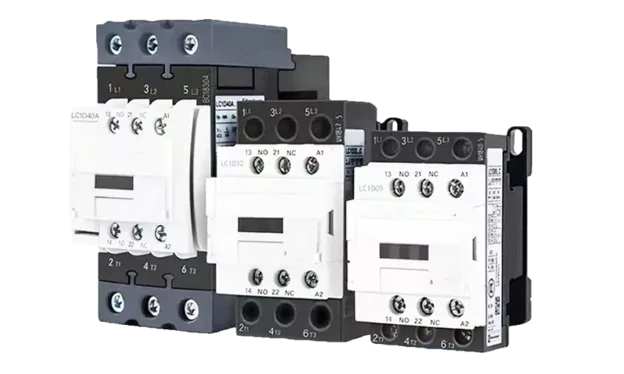
AC Contactor
Controls the start/stop sequences of high-power AC motors (such as coolant pumps and hydraulic stations) via an electromagnetic coil.
Thermal Overload Relay
Protects motors from burning out by automatically tripping and cutting off power when current exceeds safe levels due to motor jamming.
Circuit Breaker
Provides master overcurrent and short-circuit protection for the entire cabinet, instantly tripping to save expensive electronics during electrical faults.
FAQ of Electrical components
Are transformers and voltage stabilizers mandatory options?
The transformer is standard, and the voltage stabilizer is optional.
Do I need to purchase a voltage stabilizer?
If the industrial power supply in your country is unstable, or power outages occur frequently, it is a must-buy.
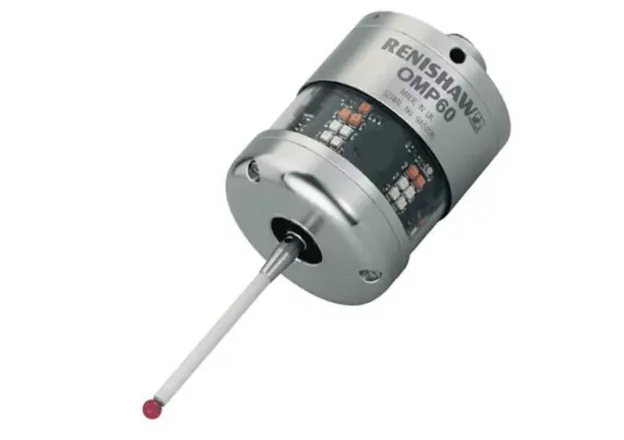
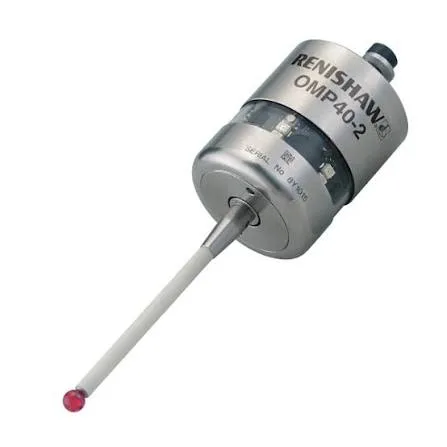
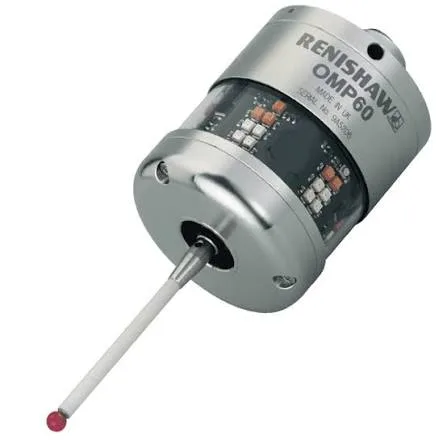
The probe is a precision measuring device installed on the CNC machine, used to automatically detect the size and position of workpieces or tools during the machining process.
The probe is responsible for continuously detecting the position of the workpiece during the machining process, and automatically correcting the offset of the workpiece or tool based on the detection results. During the machining process, in coordination with the corresponding CNC operating system, it automatically corrects errors, reduces the frequency of manual intervention, and increases the yield rate, making it an indispensable detection device for CNC machines.
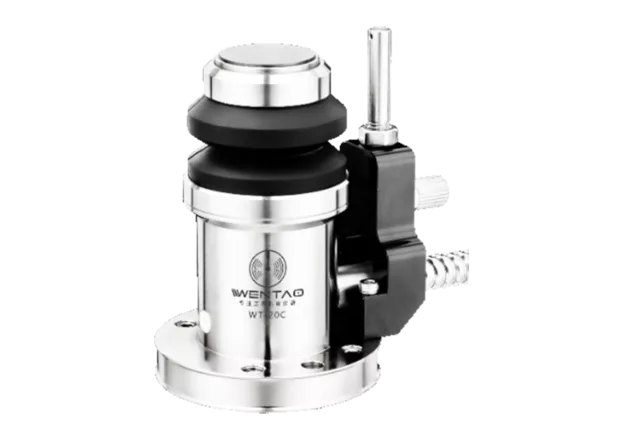
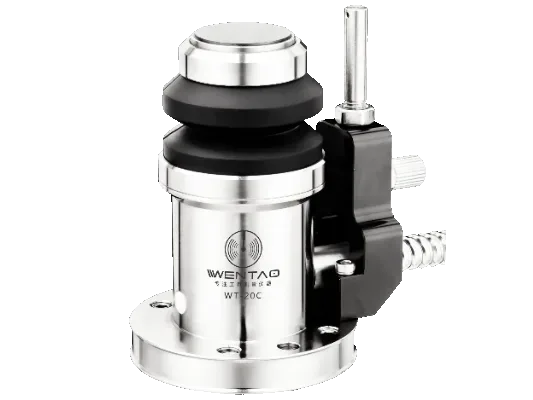
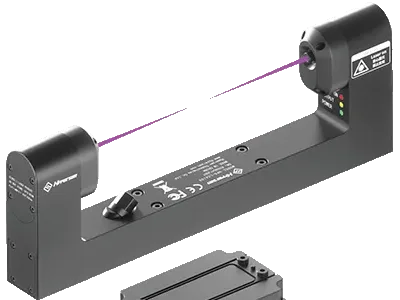
Automatic tool setters are key to high-efficiency CNC machining. They automatically check tool length, diameter, and wear, making the process twice as fast as manual tool setting.
The working principle of the tool setter (contact-type tool setter): After machining by the machine tool, the tool will gradually approach the tool setting instrument. There is a contact sensor; when the tool lightly contacts the sensor, a signal will be triggered, and this signal will be transmitted to the control system. The control system will record the position information of the tool at this moment based on the instant the tool contacts the sensor. If the tool data exceeds the normal value, the machine tool will report an error.

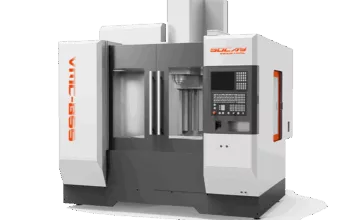 Vertical Machining Center
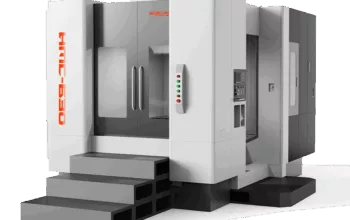 Horizontal Machining Center
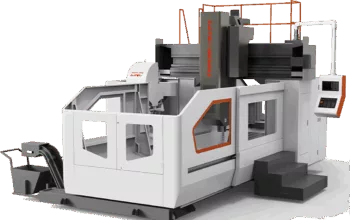 Gantry Machining Center
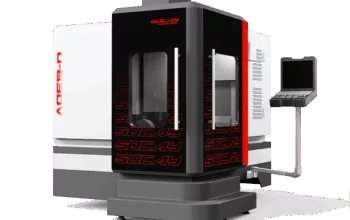 5-Axis Machining Center
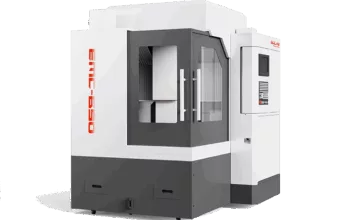 CNC Milling Machine
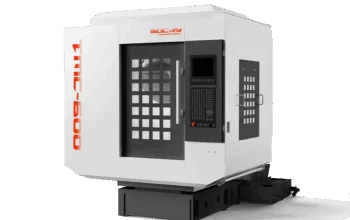 Tapping Center
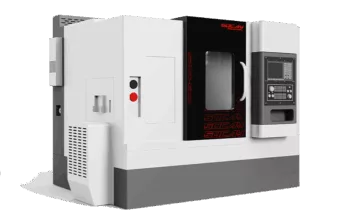 CNC lathes
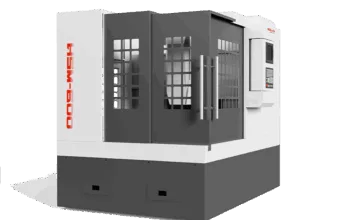 High-Speed Machining Center
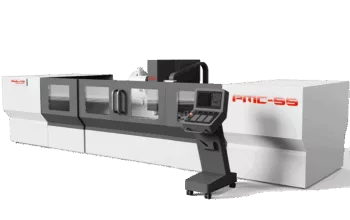 Profile Machining Center
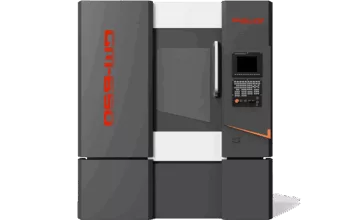 Graphite Machining Center