
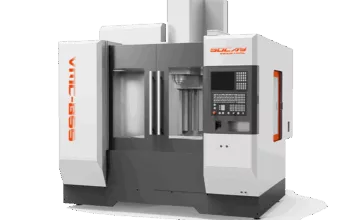
 Vertical Machining Center
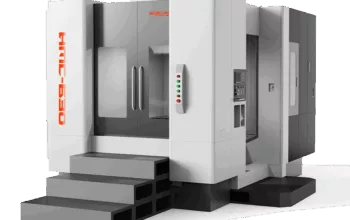 Horizontal Machining Center
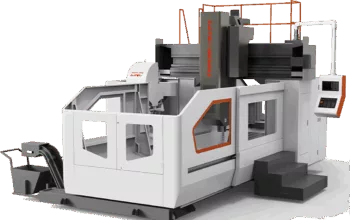 Gantry Machining Center
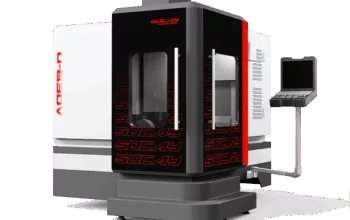 5-Axis Machining Center
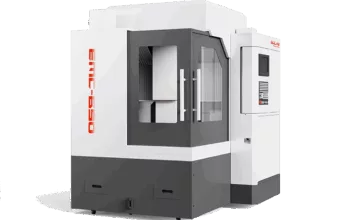 Engraving Milling Machine
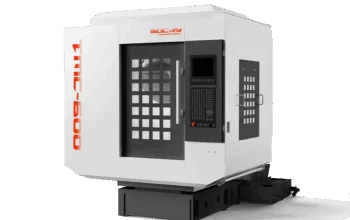 Tapping Center
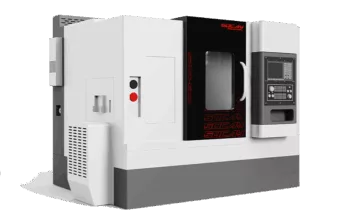 Turn-Mill Machines
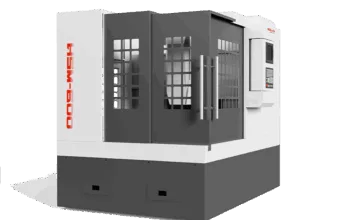 High-Speed Machining Center
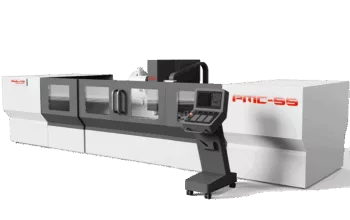 Profile Machining Center
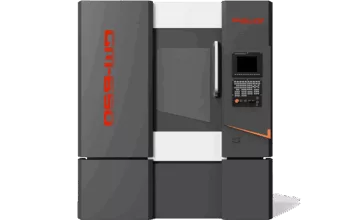 Graphite Machining Center
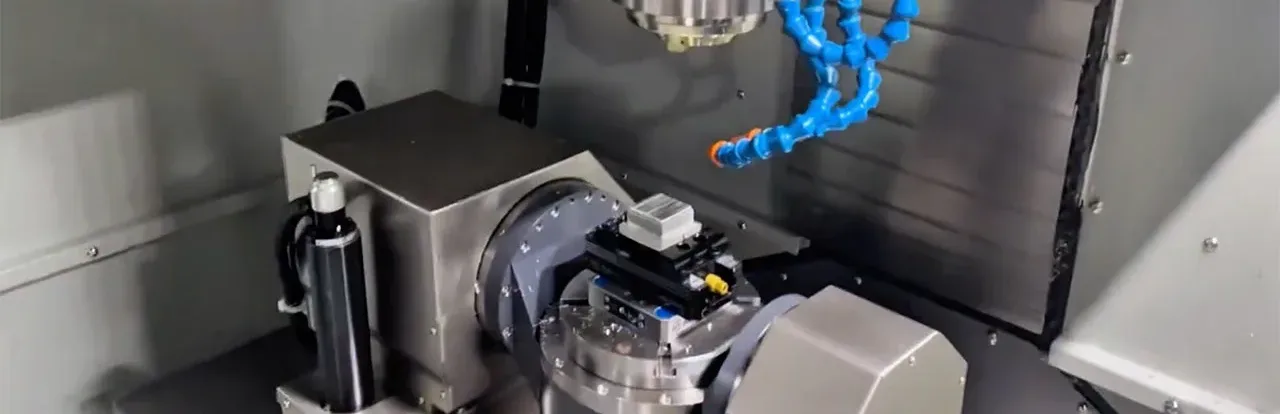
Five-axis Systerm
The (3+2) 5-axis system is the lowest-priced 5-axis system, and it has wide applicability, making it suitable for most 3-axis machines.
The 3+2 5-axis system is very suitable for judging whether it is necessary to transition to a true 5-axis system (structural 5-axis) based on your current machining requirements. You only need to spend a small cost to test; when the (3+2) 5-axis system is no longer sufficient, it means you need to transition to a true 5-axis (structural 5-axis) machine. We also provide structural 5-axis machines for you to choose from, supporting 5-axis simultaneous machining.
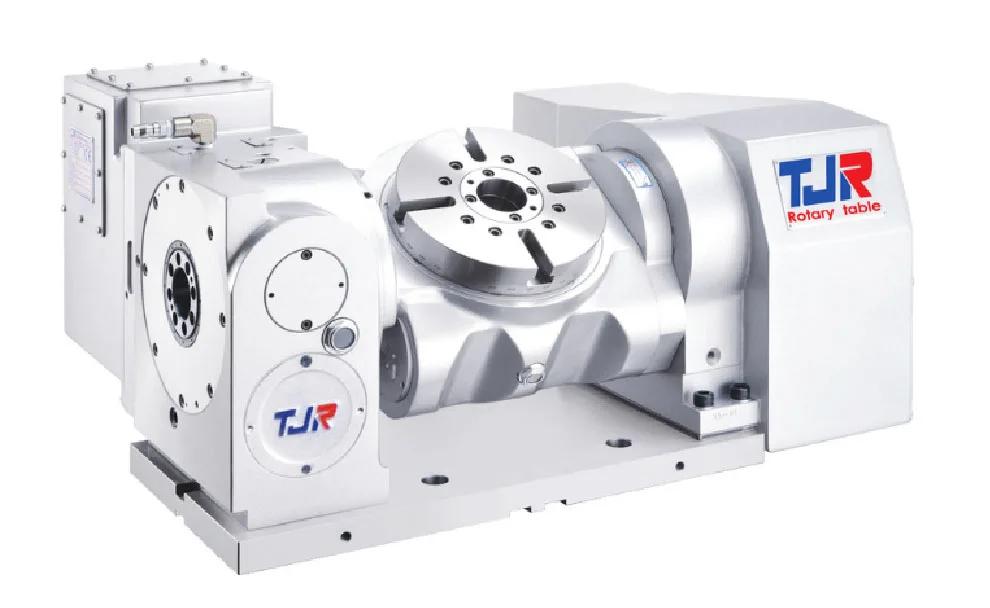
Our five-axis system includes:
Our 5th-axis body is manufactured from alloy mold steel, making it sturdy and durable.
Just like the 4th-axis system, the drive methods for the 5th axis are also: roller gear cam, worm gear drive, and DD motor drive.
The brakes for the 5-axis system are also divided into pneumatic brakes and hydraulic brakes.
FAQ of (3+2)5-axis system
Yes. Most Five-Axis machining applications require CAM software capable of generating multi-axis toolpaths, collision avoidance, and optimized machining strategies. The CAM software outputs NC programs compatible with the selected CNC controller.
Most Five-Axis CNC systems support:
ISO G-code
DIN programming
Conversational programming (depending on controller)
CAM-generated NC programs
Macro programmingUser-defined subprograms
The high cost of a five-axis system lies in its controller—specifically, a controller capable of five-axis simultaneous motion; currently, only a handful of manufacturers worldwide produce controllers capable of this level of functionality.
Routine maintenance includes:
Software backup
Parameter backup
Servo tuning verification
Encoder inspection
Electrical cabinet cleaning
Cooling fan maintenance
Lubrication system checks
Communication interface inspection
Alarm history review
Regular calibration
