CNC Milling Machine

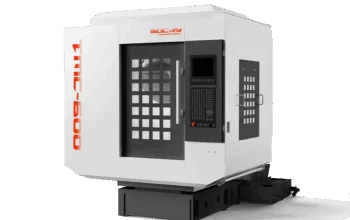
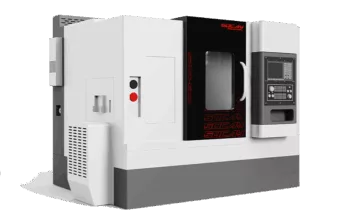
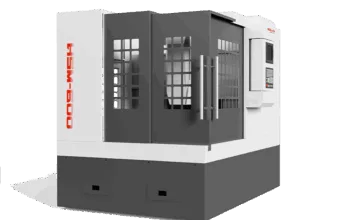
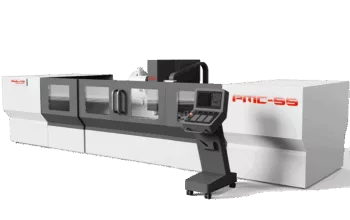
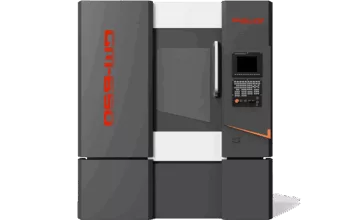
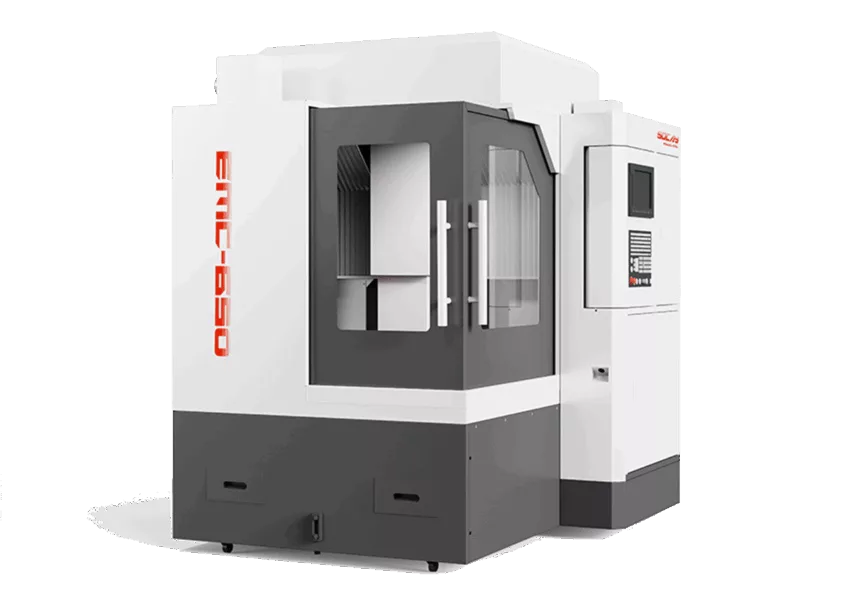
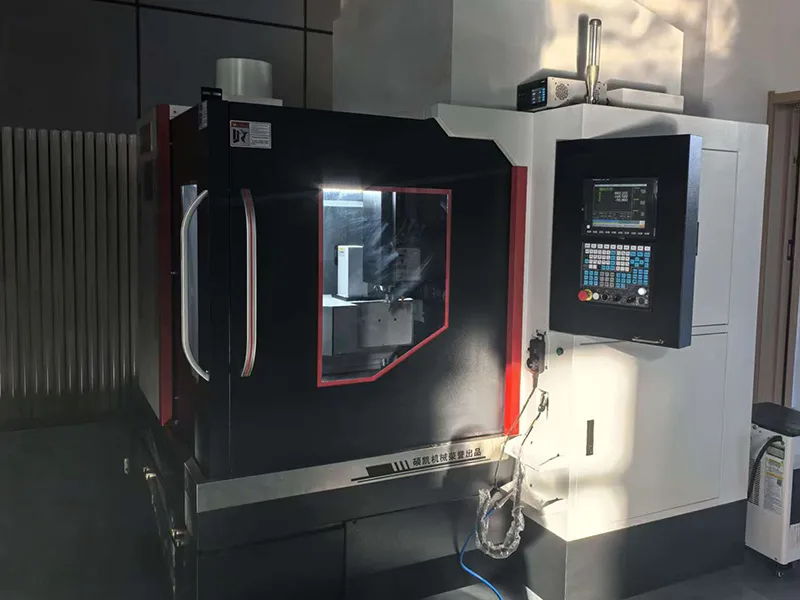
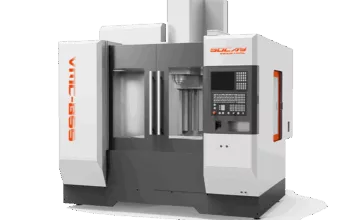
The "CNC Milling Machine" here is an abbreviation for the CNC milling&engraving machine, referring to a CNC machine tool whose core characteristics are "high speed, small tools, and high-precision fine machining." Our CNC Milling Machine adopts a high-strength cast iron bed, with a compact structural design and balanced configuration, capable of completing various complex machining tasks.

CNC Milling Machine

Our CNC milling machines

Milling

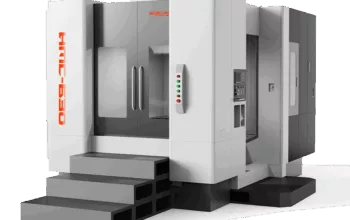
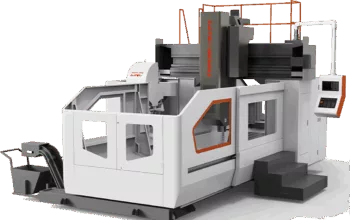
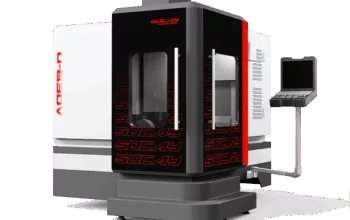
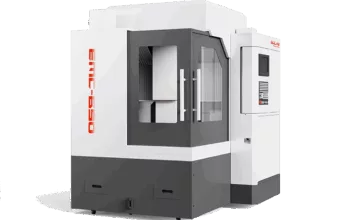
Our CNC milling machines have 3 basic models, and these three basic models have all been reinforced for the function of "milling."

Contact Us

Machine Parameters

  • Engraving and Milling Machine(EMC)
Standard configurationUnitEMC540EMC650EMC870
X/Y/Z axis travelmm500/500/280600/500/300800/700/400
Worktable sizemm550*480700*420800*700
Worktable Max loadkg300350600
Distance from spindle nose to worktablemm50-330150-450150-550
T-slot(width-number×spacing)mm3-15x1503-14x1005-14x90
X/Y/Z axis rapid travel speedM/min15/15/1515/15/1515/15/15
Cutting ratemm/min1-80001-80001-8000
Default spindle typeER-25/BT-30ER-25/BT-30ER-25/BT-30
Spindle speedmm240002400024000
Spindle powerkw7.57.57.5
Tool magazineT0/120/120/12
Positioning accuracymm±0.008±0.008±0.008
RePositioning accuracymm±0.003±0.003±0.003
Machine Sizemm1700x1500x20001900x1600x20002350x2000x2350
Machine Weightkg200032004600
View More
View Less

Advantages of Socay’s Milling Machines

  • High-speed spindle 18000/24000/30000 rpm
  • High-precision machining capability ±0.003–±0.01 mm
  • Strong machining advantage with small tools
  • High-quality surface
  • High dynamic response

Structural features

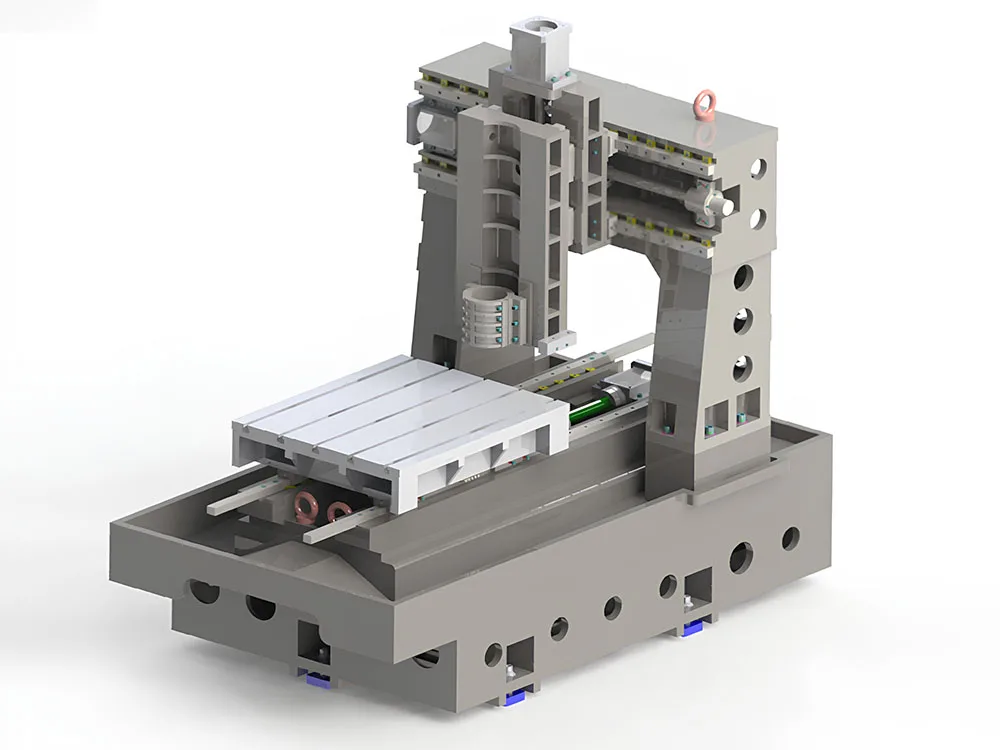
  • High-rigidity bed (cast iron or mineral casting)
  • High-speed electric spindle
  • Precision ball/roller guideways
  • High-precision ball screws (C3 grade or higher)
  • High-speed servo system
CNC engraving and milling machine castings

CNC Miling Machine VS CNC Machining Center

CNC Milling&Engraving MachineMachining Center
Machining methodFinishingHeavy cutting
SpindleHigh speedMedium-high speed / Heavy cutting
ToolsSmall toolsMedium&large tools
PrecisionHigh/Ultra-highMedium&high
ApplicationPrecision partsStandard parts
RigidityMediumHigh

FAQs of CNC Engraving&Milling Machine


How do I choose the right CNC milling machine?

Consider:
Workpiece dimensions
Material type
Required tolerance
Production volume
Spindle taper (BT40/BT50)
Spindle speed
CNC controller
Tool magazine capacity
4th/5th axis requirements
Budget
Future expansion

Why choose our CNC milling machines?

Our CNC milling machines offer:

High-rigidity cast iron structure
Precision linear guideways
High-speed, high-torque spindle
Premium ball screws and bearings
FANUC, Siemens, Mitsubishi, or SYNTEC control options
Automatic Tool Changer (ATC)
High positioning accuracy
Excellent repeatability
Reliable quality inspection
Global technical support
CE-compliant configurations available
Customization for different industries

Whether you require precision mold manufacturing, heavy-duty steel cutting, aluminum machining, or high-volume production, our CNC milling solutions are designed to deliver long-term reliability, productivity, and machining performance.

Can a CNC milling machine cut hardened steel?

Yes.
Using carbide tools, ceramic tools, or CBN cutters, CNC milling machines can process hardened steel up to approximately HRC60, depending on machine rigidity and tooling.

Can CNC milling machines perform drilling and tapping?

Yes.
Most CNC milling machines can perform:

Face Milling
End Milling
Pocket Milling
Drilling
Deep Hole Drilling
Reaming
Boring
Thread Milling
Rigid Tapping
Chamfering
Engraving

How often should a CNC milling machine be maintained?

Recommended maintenance schedule:
Daily:
Clean chips
Check coolant level
Check lubrication
Inspect air pressure

Weekly:
Clean tool magazine
Check spindle taper
Inspect coolant concentration

Monthly:
Check ball screws
Inspect guideways
Check hydraulic system
Clean electrical cabinet

Annual:
Laser calibration
Ball bar test
Geometric accuracy inspection
Servo tuning

Preventive maintenance greatly extends machine life and minimizes downtime.

What factors affect machining accuracy?

Major factors include:

Machine rigidity
Spindle accuracy
Tool quality
Fixture rigidity
Thermal deformation
Cutting parameters
Machine leveling
Operator experience
Tool wear

What affects machining efficiency?

Efficiency depends on:

Tool path optimization
Cutting strategy
Tool selection
Automatic tool changer speed
Rapid traverse speed
Spindle power
Workholding efficiency
CAM programming

What are the most common CNC milling machine faults?

Common issues include:

Tool breakage
Poor surface finish
Spindle overheating
Servo alarms
Tool changer malfunction
Positioning errors
Lubrication failure
Coolant blockage
Overtravel alarms
Vibration (Chatter)

Most faults can be prevented through proper maintenance, correct programming, and suitable cutting parameters.

How long does a CNC milling machine last?

With proper maintenance:

Machine structure: 20–30 years
Spindle: 5–10 years
Ball screws: 5–10 years
Servo motors: 10–15 years
CNC controller: 10–20 years

Regular preventive maintenance significantly extends service life.